There’s a quiet hero in almost every kitchen, a simple tool that saves us from frustration and potential injury: the humble can opener. But not all can openers are created equal. The quest for a “handy can opener” isn’t just about utility; it’s about seeking convenience, safety, and a touch of effortless magic in our daily routines. At Perfect Can Opener, we understand that grappling with a stubborn can can be one of the most annoying kitchen frustrations. That’s why we’re diving deep into the world of handy can openers, exploring how these ingenious devices can transform your culinary experience from a struggle to a smooth, simple act.
What Makes a Can Opener “Handy”?
When we talk about a handy can opener, we’re really talking about a tool designed with the user in mind. It’s about more than just cutting a lid; it’s about ease of use, ergonomic design, and features that make the task almost effortless. A truly handy can opener minimizes physical strain, operates smoothly, and often prioritizes safety by eliminating sharp edges. Whether you’re dealing with arthritis, limited dexterity, or simply value efficiency, a handy can opener is built to make your life easier, turning a mundane chore into a quick, satisfying click.
A Brief History of Can Openers: From Primitive Tools to Modern Marvels
The journey of the can opener is as fascinating as the evolution of canned goods themselves. For decades after the invention of the tin can in the early 19th century, opening these sealed containers was a Herculean task, often requiring bayonets, hammers, or chisels.
Early Innovations: The Dawn of Can Opening
The first official can opener wasn’t patented until 1855, featuring a claw-shaped lever design that was far from convenient. Imagine wrestling with a can using a tool that looked more suited for a workshop than a kitchen! These early designs were often clunky and still required significant force, making them less “handy” and more “heavy-duty” in the most challenging sense.
The Rotary Revolution: A Kitchen Staple Emerges
It wasn’t until 1870 that William Lyman introduced the rotating wheel can opener, closely resembling the manual models many of us grew up with. This design brought a new level of practicality, allowing a user to pierce the lid and then rotate a geared wheel around the rim to cut the top. This marked a significant step towards a truly functional kitchen tool, making canned food accessible to the average household.
The Electric Age: Automation for All
The 20th century ushered in the era of electric can openers, revolutionizing the kitchen. These countertop units offered hands-free operation, a godsend for busy cooks and those with physical limitations. Later, the emergence of handheld, battery-operated electric can openers, like the widely recognized “Handy Can Opener” brand, brought portability and even greater ease. These devices often “walk” themselves around the can, making the process as simple as pressing a button and stepping back.
Unpacking the Types of Handy Can Openers
Today, the market offers a diverse range of handy can openers, each with unique advantages. Understanding these types can help you find the perfect match for your kitchen needs.
Manual Marvels: Reliable and Compact
Manual can openers remain a popular choice due to their simplicity, durability, and portability. These classics typically come in a few forms:
- Traditional Rotary: The familiar two-handled design with a crank to turn the cutting wheel. They are inexpensive and don’t require power, making them ideal for camping or emergencies. However, they demand a fair amount of hand strength and often leave sharp edges.
- Safety (Side-Cut) Manual: These ingenious tools cut along the side of the can, just below the rim, rather than piercing the top. The result is a smooth, safe edge on both the lid and the can, drastically reducing the risk of cuts. Many find these much easier to use, requiring less grip strength once engaged.
- Compact/Lever-Type (e.g., P-38/P-51): While not for everyone, these small, military-style openers are incredibly durable and fit anywhere. They require a specific technique of piercing and “walking” around the can, often leaving jagged edges, but are supremely reliable in a pinch.
Electric Excellence: Powering Through Tough Cans
For ultimate convenience, electric can openers are often the go-to. They take the physical strain out of the process, making them perfect for individuals with arthritis, carpal tunnel syndrome, or anyone who values speed and effortlessness.
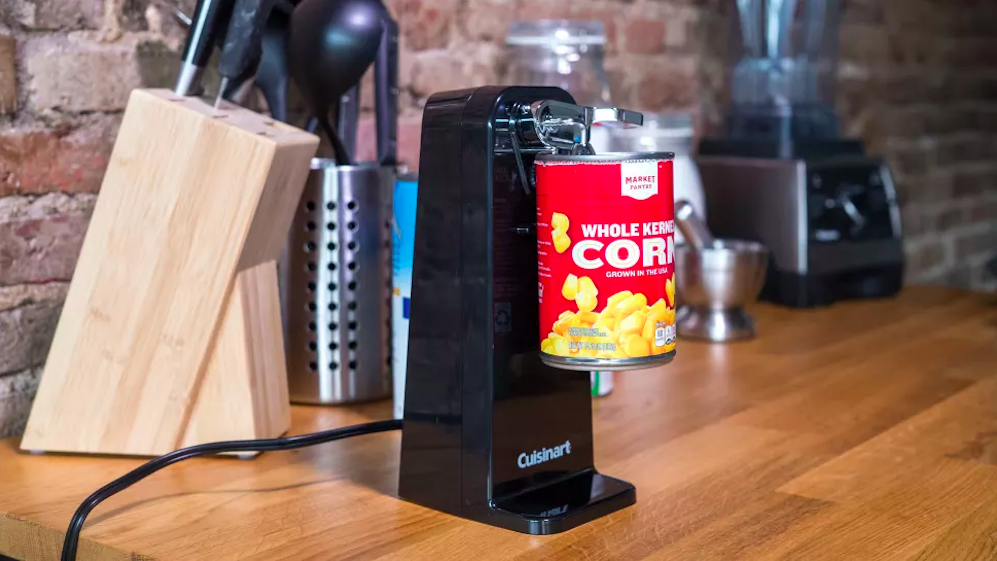
- Countertop Electric Can Openers: These larger units typically plug into an outlet and feature a lever that clamps the can in place. With a strong magnet to hold the lid, they offer consistent, hands-free operation and often include extra features like bottle openers or knife sharpeners.
- Handheld Electric (Battery-Operated) Can Openers: This is where the term “handy can opener” often shines brightest. These compact, battery-powered devices (often requiring 2 or 4 AA batteries) are incredibly portable and designed for one-touch operation. You simply place the opener on top of the can, press a button, and it “walks” around the perimeter, automatically shutting off when the lid is removed. Many handheld electric models also boast smooth-cut technology, leaving no dangerous sharp edges.
When looking for an outstanding electric model, consider products that offer reliable performance and ease of use.
|
Our Picks for the Best Can Opener in 2026
As an Amazon Associate I earn from qualifying purchases.
|
||
| Num | Product | Action |
|---|---|---|
| 1 | Davivy Can Opener Extra-Tall Electric, Stainless Steel 3-in-1 Can Opener with Knife Sharpener & Bottle Opener, Automatic One-Touch Operation, Wide Stable Base, Cord Storage, Fiery Red |

|
| 2 | Can Opener, No-Trouble-Lid-Lift Manual Handheld Can Opener with Magnet, Smooth Edge Safe Cut for Beer/Tin/Bottle, Big Turning Knob Anti-Slip Handle Good for Seniors with Arthritis |
|
| 3 | Commercial Can Opener, ICEKATl Can Opener Manual Heavy Duty Easy for Big Cans with Magnet, Folding Hand Crank With Comfortable Long Handles |
|
| 4 | GORILLA GRIP Heavy Duty Stainless Steel Smooth Edge Manual Can Opener, Soft Comfortable Handle, Large Handheld Turn Knob, Built-In Bottle Openers, US Designed, Holiday Prep Kitchen Essential, Black |
|
| 5 | Heavy Duty Manual Can Opener Smooth Edge, Hand Crank Cans Opener for Adults Seniors, Kitchen Camping Tools, Stainless Steel, Black |
|
| 6 | Zulay Kitchen Heavy Duty Stainless Steel Can Opener Manual with Bottle Opener - Rust Proof Manual Can Opener With Turn Knob & Comfy Soft Grip Handles - Black |
|
| 7 | Kitchen Mama Auto Electric Can Opener: Open Your Cans with A Simple Press of Button - Automatic, Hands Free, Smooth Edge, Food-Safe, Battery Operated, YES YOU CAN (White) |
|
| 8 | Premium Multifunctional Magnetic Manual Can Opener and Bottle Opener, Heavy Duty Stainless Steel Sharp Cutting Blade and Oversized Easy Turn Knob, Soft-Touch Handle, Kitchen Use, Orange |
|
| 9 | KitchenAid Classic Multifunction Can Opener and Bottle Opener Easy to Use, Razor Sharp Stainless Steel Cutting Wheel, Soft Ergonomic Handles, Pistachio |
|
| 10 | Can Opener Manual, Handheld Strong Heavy Duty Stainless Steel Can Opener, Comfortable Handle, Sharp Blade Smooth Edge, Can Openers with Multifunctional Bottle Opener |
|
Safety-First Side Cutters: Smooth Edges, Safer Hands
A significant innovation in can opener design is the side-cut mechanism. Unlike traditional top-cut openers that slice into the lid, creating sharp, jagged edges, side-cutters effectively “uncrimp” the lid from the can. This leaves both the lid and the can with smooth edges, which is a game-changer for safety. No more worrying about cuts when reaching into the can or disposing of the lid. This feature is particularly valued by parents, seniors, and anyone who prioritizes kitchen safety.
How to Master Your Handy Can Opener
Even the most intuitive tools benefit from proper technique. Knowing how to use your handy can opener correctly ensures safety and efficiency.
Operating a Traditional Manual Can Opener
- Preparation is Key: Place the can on a stable, flat surface. Wipe the lid clean to prevent contaminants from entering your food.
- Position the Opener: Open the handles of the can opener wide. Position the cutting wheel just inside the can’s rim, with the gear wheel on the outside.
- Engage and Pierce: Squeeze the handles firmly to pierce the can lid. You’ll feel it click into place.
- Turn the Crank: With one hand holding the handles steady, use your other hand to turn the crank clockwise. The can will rotate, and the cutting wheel will slice through the lid.
- Remove the Lid: Continue turning until the lid is almost entirely separated, leaving a small hinge. Use the can opener itself or a fork to lift the lid carefully, avoiding direct contact with any sharp edges.
Effortless Electric Can Opener Use
- Power Up: For countertop models, ensure it’s plugged in. For battery-operated handhelds, check the batteries.
- Position the Can: Place the can on a stable surface. For countertop models, lift the lever and align the can’s rim under the cutting blade, then lower the lever to secure it. For handheld models, simply place the opener on top of the can, ensuring the cutting wheel aligns with the rim.
- One-Touch Operation: Press the start button. The electric opener will automatically cut around the can. Many handheld models will “walk” around the can and shut off automatically once complete.
- Lid Removal: Electric can openers often have a magnet that holds the lid after it’s cut, allowing for easy, hands-free disposal. If not, carefully lift the smooth-edged lid.
The Smooth Touch of a Safety Can Opener
- Attach to the Side: Instead of placing it on top, latch the safety can opener onto the side of the can’s rim.
- Turn the Knob: Rotate the knob. The opener will cut around the side of the can, just below the rim.
- Lift with Care: Once the cut is complete, use the small gripping pliers often integrated into safety can openers to gently lift the lid off. It will feel loose and often has a slight lip on the bottom. The edges are smooth, making removal much safer.
Choosing Your Perfect Kitchen Companion: Tips for Selecting a Handy Can Opener
Selecting the best handy can opener involves a blend of personal needs and practical considerations. Here’s what our experts at Perfect Can Opener advise:
Consider Your Needs: Dexterity, Frequency, and Portability
- Dexterity Issues/Hand Strength: If you or someone in your household struggles with grip strength, arthritis, or carpal tunnel, an electric can opener (especially a handheld, one-touch model) is an absolute must. It minimizes effort and maximizes comfort.
- Frequency of Use: For occasional can opening, a high-quality manual safety can opener might suffice. For daily use, the efficiency of an electric model can be a significant time-saver.
- Portability: If you need a can opener for camping, picnics, or a power outage kit, a compact manual option is indispensable. For everyday kitchen use, both countertop and battery-operated handheld electric models offer excellent convenience.
Features to Look For: Ergonomics, Cutting Style, and Extra Functions
- Ergonomics: Look for comfortable, soft-grip handles on manual openers and an easy-to-press button on electric models. A large, easy-to-turn knob is a plus for any manual opener.
- Cutting Style (Top-Cut vs. Side-Cut): For maximum safety, especially if children are involved or you frequently handle can contents, a side-cut can opener that leaves smooth edges is highly recommended.
- Magnet for Lid Removal: Many electric and some manual can openers feature a magnet to lift the severed lid, preventing it from falling into your food and keeping your hands away from potentially sharp edges.
- Extra Functions: Some electric models come with built-in knife sharpeners or bottle openers, adding versatility to your kitchen arsenal.
- Cleaning: Look for models with removable parts or those that are dishwasher-safe for easy maintenance.
Keeping Your Handy Can Opener in Top Shape: Care and Maintenance
A well-maintained can opener is a happy can opener, ready for action whenever you need it.
- Clean After Every Use: Food residue can accumulate on blades and gears, leading to rust and reduced efficiency. Wipe down your can opener (manual or electric) after each use. For manual openers, hand wash thoroughly with soap and water, ensuring all food particles are removed, then dry completely.
- Prevent Rust: Moisture is the enemy of metal. Always ensure your can opener is thoroughly dry before storing it. Some stainless steel models are dishwasher safe, but check manufacturer instructions.
- Check Blades: Over time, blades can become dull or chipped. If your can opener is struggling, it might be time for a replacement.
Troubleshooting Common Can Opener Conundrums
Even the best handy can opener can encounter a hiccup or two. Here are some common problems and quick fixes:
- Can Opener Not Cutting:
- Manual: Ensure the cutting wheel is properly aligned and piercing the lid. Apply firm, even pressure to the handles. The blade might be dull, requiring replacement.
- Electric: Check that the can is correctly clamped. Ensure batteries are fresh or the unit is plugged in securely. Dented cans can sometimes pose a challenge, though many electric models handle them well.
- Lid Falling into the Can: This often happens with traditional top-cut manual openers. To avoid this, try to leave a small section of the lid uncut to create a hinge, or use a fork to pry it out carefully. Side-cut and magnetic electric openers are designed to prevent this issue.
- Sharp Edges Remaining: If you’re consistently getting sharp edges, you might be using a traditional top-cut manual opener. Consider upgrading to a side-cut manual or electric safety can opener for smoother results.
The Best Handy Can Openers on the Market
While “Handy Can Opener” is a specific brand name often associated with a popular battery-operated electric model, the broader category encompasses several excellent options that deliver on the promise of effortless can opening. Brands like OXO, Kitchen Mama, and Hamilton Beach consistently receive high marks for their user-friendly designs and reliable performance. OXO’s Good Grips series, for instance, is renowned for comfortable handles and smooth operation in their manual models, including safety-cut options. For electric convenience, Kitchen Mama’s one-touch battery-operated openers are celebrated for their ability to deliver smooth edges with minimal effort. Hamilton Beach offers robust countertop electric models, often with integrated features like knife sharpeners, providing a versatile solution for busy kitchens. The key is to look for models with strong user reviews that emphasize ease of use, safety features like smooth edges, and reliable cutting performance across various can sizes.
Frequently Asked Questions About Handy Can Openers
Q1: What is the main difference between a top-cut and a side-cut can opener?
A1: A top-cut can opener slices directly into the lid from the top, often leaving sharp, jagged edges. A side-cut (or safety) can opener cuts along the side of the can, just below the rim, separating the lid without creating dangerous sharp edges on either the lid or the can itself.
Q2: Are electric can openers suitable for people with arthritis?
A2: Absolutely. Electric can openers are highly recommended for individuals with arthritis, carpal tunnel, or limited hand dexterity because they require minimal physical effort, often just the press of a button, to open cans.
Q3: How do battery-operated “handy can openers” work?
A3: Battery-operated handy can openers typically feature a one-touch design. You place them on top of the can, press a button, and the device automatically rotates around the can, cutting the lid from the side. Many then use a magnet to lift the detached lid.
Q4: How do I clean my can opener to prevent rust and ensure hygiene?
A4: It’s crucial to clean your can opener after every use. For most manual openers, hand washing with soap and water and thoroughly drying immediately is best. Some stainless steel models are dishwasher safe. Electric models usually require wiping the cutting mechanism clean, often with a damp cloth, and ensuring it’s dry before storage.
Q5: Can a “handy can opener” open all sizes of cans, including large ones?
A5: Most handy can openers, especially electric and well-designed manual models, can handle a wide range of standard can sizes. Some electric countertop models are specifically designed to be extra tall for larger cans, while many battery-operated handhelds are surprisingly versatile, even on dented cans. Always check product specifications if you frequently open unusually large or small cans.
Conclusion
The journey to find the perfect “handy can opener” is about more than just a kitchen gadget; it’s about embracing convenience, prioritizing safety, and making everyday cooking a smoother, more enjoyable experience. Whether you opt for the robust reliability of a manual side-cutter or the effortless automation of an electric model, a truly handy can opener is an investment in your kitchen’s efficiency and your own peace of mind. As we at Perfect Can Opener always say, a good can opener isn’t just a tool; it’s a testament to thoughtful design and the joy of a well-equipped kitchen. So go ahead, choose the handy can opener that speaks to you, and open up a world of culinary possibilities with ease.