Ever found yourself wrestling with a stubborn can, hoping for a smoother, easier way to get to your ingredients? You’re not alone! Many of us have faced the frustration of manual can openers, especially when time is tight or our hands aren’t quite cooperating. That’s where the trusty Auto Can Opener steps in, transforming a mundane kitchen chore into a simple, one-touch experience. This ingenious appliance isn’t just about convenience; it’s a game-changer for kitchen safety and accessibility, ensuring everyone can effortlessly open cans and enjoy their culinary adventures.
The Evolution of Can Openers: From Chisels to Automation
It might surprise you to learn that canned food existed for nearly 50 years before anyone bothered to invent a dedicated can opener! When Peter Durand patented the tin can in 1810, the initial instructions for opening these robust containers often involved a hammer and chisel. Imagine trying to get your beans out with those tools!
Early can openers, patented in the mid-19th century by inventors like Robert Yeates in England and Ezra Warner in the U.S., were essentially variations of a knife or bayonet, often leaving jagged, dangerous edges. It wasn’t until William Lyman’s 1870 patent that we saw the introduction of the familiar rotating cutting wheel, though it was still quite cumbersome to operate. Significant improvements in 1925, adding a second serrated wheel for grip, finally made manual can openers practical for the average household.
The true revolution for effortless opening arrived with electricity. While the first electric can opener was patented in 1931, it didn’t really take off. It wasn’t until 1956 that two American companies successfully reintroduced electric models, paving the way for the modern auto can opener we know today. Further innovations in the 1980s introduced “safety can openers” that cut along the side of the can, leaving a smooth, safe edge – a feature that many automatic models now proudly boast. This rich history underscores a continuous drive to make our kitchen lives simpler and safer.
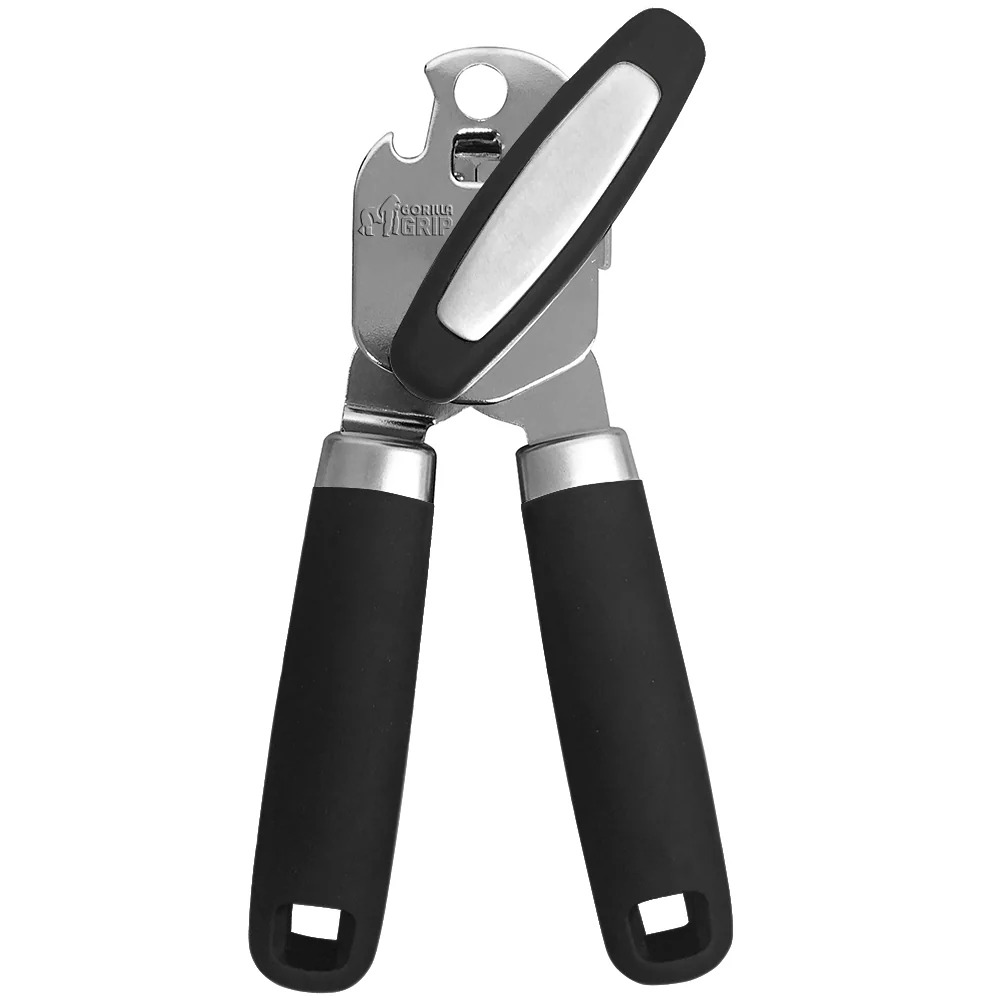
Understanding Your Auto Can Opener: Types and How They Work
Today’s market offers a fantastic range of auto can opener models, each designed to make your life easier. Generally, they fall into two main categories: countertop and handheld.
Countertop Models: Stationary Powerhouses
These are the traditional “stand-up” electric can openers that typically sit on your kitchen counter. They are often corded and designed for stability and power. You usually position the can, lower a lever to engage the cutting blade, and the machine takes over, rotating the can until the lid is neatly separated. Many countertop models come with extra features like built-in knife sharpeners or bottle openers, making them versatile kitchen tools. While some larger cans can occasionally cause less sturdy models to tip, well-designed units feature wide, heavy bases for maximum stability.
Handheld & Cordless Wonders: Portability Meets Power
For those who value portability or have limited counter space, handheld auto can opener models are a dream come true. These battery-operated (or rechargeable) devices typically sit on top of the can. With a press of a button, the cutting mechanism glides around the can’s rim, doing all the work for you. They’re perfect for camping trips, small kitchens, or as a backup during power outages. Brands like Kitchen Mama are well-known for their popular handheld options, which are lauded for their ease of use.
The Magic Behind the Smooth Edge: Side-Cutting Mechanism Explained
One of the most significant advancements in auto can opener technology is the smooth-edge or side-cutting mechanism. Unlike older models that cut down into the top of the lid, these modern openers cut along the side seam of the can, just below the rim. This not only creates a lid without sharp edges, but it also means the lid can often be placed back on the can for temporary covering, although it won’t create an airtight seal. This feature is particularly beneficial for safety, reducing the risk of accidental cuts. As culinary engineer Eleanor Vance aptly puts it, “An automatic can opener isn’t just a gadget; it’s a testament to how simple innovations can dramatically improve daily living, especially for those with limited hand mobility. The smooth-edge cut alone is a game-changer for kitchen safety.”
Choosing Your Perfect Kitchen Companion: What to Look For
Selecting the right auto can opener can feel a bit overwhelming with so many options. Here’s what to consider to find your perfect match:
- Power and Portability: Corded, Battery, or Rechargeable? Corded models offer consistent power without worrying about battery life, often with more robust motors. Battery-operated (usually AA) and rechargeable models provide cordless convenience and portability, ideal for smaller tasks or outdoor use. If you frequently move appliances or need a backup, cordless is great; for heavy daily use, a corded model might be more dependable.
- Safety First: Smooth Edges and Automatic Shut-off. Prioritize models that create smooth, blunt edges to prevent cuts. Many auto can opener devices also feature an auto-stop function, meaning they stop cutting once the can is fully open, adding another layer of safety and preventing over-cutting. A built-in magnet to lift the lid is also a fantastic safety and hygiene feature.
- Design and Features: Size, Materials, Extra Functions. Consider your kitchen space. Do you need a compact model that stores easily, or do you have room for a countertop unit with added features? Look for durable materials, like stainless steel cutting blades. Some high-end automatic can openers even integrate knife sharpeners or bottle openers, offering more bang for your buck.
- Ease of Cleaning and Maintenance. A design that allows for easy cleaning is crucial. Removable cutting units or surfaces that wipe clean easily will save you time and keep your appliance hygienic.
A Step-by-Step Guide to Using Your Auto Can Opener Safely and Effectively
Using an auto can opener is generally straightforward, but a few tips can ensure a perfect, safe experience every time.
- Preparation is Key: Setting Up Your Device.
If it’s a corded model, ensure it’s plugged into a stable outlet on a clean, dry, flat surface. For battery-operated units, check that the batteries are fresh and correctly inserted. Before each use, quickly inspect the cutting blade for any food residue and wipe it clean with a damp cloth if necessary. A clean blade ensures a smooth cut. - Positioning the Can: The Sweet Spot for a Clean Cut.
For countertop models, raise the lever and place the can securely under the guiding post, aligning the can’s rim with the cutting wheel and blade. For handheld models, place the opener on top of the can, ensuring the round mechanism fits snugly around the can’s lid. A slight misalignment can lead to an uneven cut or the opener getting stuck. - Engaging the Opener: Let the Machine Do the Work.
Once the can is correctly positioned, lower the lever for countertop models or press the designated button for handheld ones. The auto can opener will start its rotation, puncturing the lid and cutting around the rim. You might need to gently steady the can, especially with larger sizes, to prevent tipping or spills, but avoid applying excessive force. The beauty of these devices is that they do the heavy lifting! - Safe Lid Removal and Disposal.
When the cutting is complete, the opener will either stop automatically or you’ll press a button to disengage it. Many automatic can openers feature a magnet that holds onto the lid, allowing for hands-free removal and preventing it from falling into your food. Carefully lift the can and detach the lid. If your model doesn’t have a magnet or if the lid feels a bit stuck, use a fork or a small tool to gently pry it off, always being mindful of the edges, even if they’re smooth. Dispose of the lid immediately and responsibly.
Keeping Your Auto Can Opener in Top Shape: Maintenance Tips
A little tender loving care goes a long way in ensuring your auto can opener serves you well for years.
- Regular Cleaning Rituals: After each use, especially if there’s any food splatter, unplug your corded opener or remove batteries from handheld models. Wipe down the exterior with a damp cloth. For the cutting mechanism, use a small brush (like an old toothbrush) and mild soap to remove any sticky residue or food particles. Rinse with a damp cloth and dry thoroughly to prevent rust and maintain optimal cutting performance. Never submerge the entire unit in water, especially electric models, as this can damage internal electronics.
- Lubrication and Inspection: Periodically, inspect the gears and cutting wheel for wear and tear. If you notice any stiffness or grinding, a light application of food-grade lubricant (like lithium grease) to the gears can work wonders. Tighten any loose screws you might find, as consistent vibration can sometimes loosen components over time.
- Battery Best Practices for Cordless Models: If your auto can opener is battery-operated, always use fresh, good-quality alkaline batteries. Avoid mixing old and new batteries or different battery types, as this can affect performance and potentially damage the device. For long-term storage, remove the batteries to prevent corrosion, which can permanently impair the opener’s functionality.
Common Auto Can Opener Problems and Quick Fixes
Even the best auto can opener can sometimes encounter hiccups. Here are some common issues and how to troubleshoot them:
- “It’s Not Turning On!” – Power and Battery Checks.
- Quick Fix: For corded models, ensure the power cord is securely plugged in and check the outlet. For battery-operated units, verify batteries are installed with correct polarity, aren’t depleted, and aren’t a mix of old and new. If contacts are corroded, gently clean them.
- “The Can Won’t Grip!” – Alignment and Debris Solutions.
- Quick Fix: This often happens due to misalignment. Make sure the can’s rim is perfectly aligned with the cutting wheel. Check for any food buildup or debris that might be blocking the cutting path or preventing the grip. Sometimes, a slightly dented can can also cause issues; try opening it from the other end or just past the dented area.
- “Lid’s Stuck!” – Magnet and Moisture Troubleshooting.
- Quick Fix: If the lid isn’t detaching easily, moisture between the lid and the magnet can sometimes cause sticking. Ensure both the can and opener are dry. If it’s a magnetic issue, remember that some lightweight aluminum lids may not adhere as strongly. If the opener won’t release its grip after cutting, pressing the button again (for one-touch models) or briefly reversing the blade might help. Never force the opener off, as this can cause damage.
- “Noises and Slowdowns” – Dealing with Gear Issues.
- Quick Fix: Unusual grinding, humming, or slow rotation often points to gear binding or obstruction. Unplug the unit (or remove batteries) and inspect the gears. Clean any visible debris. A small amount of food-grade lubricant can alleviate binding. If the motor hums but doesn’t turn the can, gently try loosening and then re-tightening the gear assembly.
Top Picks & Trusted Brands: Finding Your Match
When it comes to reliable auto can opener options, several brands consistently receive high marks for performance, durability, and user-friendliness. Hamilton Beach is often lauded for its robust and easy-to-use models, with their Smooth Touch and Electric Automatic Can Openers frequently appearing on “best of” lists, especially for their side-cutting technology and overall performance. Cuisinart’s Deluxe Electric Can Opener also stands out for its sleek design and strong performance, often recommended for its stability and effortless operation. For those preferring handheld devices, the Kitchen Mama Electric Can Opener has gained immense popularity for its one-touch simplicity and smooth-edge cutting. Black+Decker and Proctor Silex also offer solid, budget-friendly electric options that deliver consistent results. Ultimately, the “best” auto can opener is the one that best fits your specific needs, whether that’s supreme portability, countertop power, or advanced safety features.
FAQ
- Q: Are auto can openers truly safer than manual ones?
A: Yes, generally. Many modern automatic can openers feature side-cutting mechanisms that leave a smooth, blunt edge on the can and lid, significantly reducing the risk of cuts compared to the sharp, jagged edges often left by traditional manual openers. - Q: Can an auto can opener open all sizes of cans?
A: Most automatic can openers are designed to handle a wide range of standard can sizes. However, very small or unusually shaped cans, or those with deeply dented rims, might pose a challenge. Always check the manufacturer’s specifications. - Q: How do I clean my automatic can opener?
A: Always unplug or remove batteries first. Wipe the exterior with a damp cloth. For the cutting blade and gears, use a small brush and mild detergent to remove food particles, then wipe dry. Never submerge electric can openers in water. - Q: What’s the difference between a top-cutting and side-cutting auto can opener?
A: A top-cutting can opener cuts through the top surface of the lid, inside the rim, often leaving a sharp edge. A side-cutting (or smooth-edge) auto can opener cuts along the can’s side seam, just below the rim, resulting in a smooth, blunt edge on both the lid and the can. - Q: How long do automatic can openers usually last?
A: With proper care and regular maintenance, a good quality auto can opener can last for several years, often 5-10 years or more. Factors like frequency of use, quality of materials, and adherence to cleaning guidelines play a significant role.
Elevate Your Kitchen Experience with an Auto Can Opener
There’s no denying the convenience and safety an auto can opener brings to the kitchen. From its fascinating journey from hammer-and-chisel to today’s one-touch marvels, this appliance has continually evolved to meet our needs. Whether you’re a seasoned chef, someone managing limited hand strength, or simply seeking a more efficient kitchen, a reliable automatic can opener is an invaluable tool. It saves time, prevents frustration, and makes meal preparation a genuinely smoother, safer, and more enjoyable experience. Invest in a quality auto can opener, and you’ll wonder how you ever managed without it!