Dealing with arthritis can turn everyday tasks into frustrating challenges, and opening a simple can of soup or vegetables can feel like climbing a mountain. If you or a loved one struggle with grip strength, hand pain, or limited dexterity due to arthritis, finding the Best Can Opener For Arthritis isn’t just about convenience—it’s about reclaiming independence in the kitchen. Forget battling stubborn lids; the right tool can transform this chore into an effortless part of your cooking routine.
Understanding Arthritis and Can Opening Challenges
Arthritis, in its many forms, often manifests in the hands, causing pain, stiffness, and reduced range of motion in the joints. This can significantly impact fine motor skills and overall hand strength. Traditional can openers, with their small, often slippery handles and rigid turning mechanisms, demand a firm grip and sustained pressure that can be excruciating for arthritic hands. Squeezing handles, twisting small knobs, and prying off sharp lids become daunting, sometimes impossible, tasks, leading to discomfort and even injury.
A Brief History of Can Openers: From Clumsy to Comfortable
Believe it or not, canned food existed for decades before a proper can opener was invented! Early cans were so thick they often required a hammer and chisel to open, which was clearly not ideal for anyone, let alone those with hand conditions. Over time, designs evolved from simple lever-action tools to the familiar rotary wheel models. However, it’s only in more recent history that innovation has truly focused on user-friendly designs, driven by a growing understanding of ergonomic needs. Today, the market offers sophisticated solutions specifically engineered to reduce strain, making the task accessible and comfortable for everyone, including those with arthritis.
Types of Can Openers That Bring Relief for Arthritis
When it comes to choosing the best can opener for arthritis, the market offers a fantastic range of options designed with your comfort in mind. These generally fall into two main categories: electric and specially designed manual can openers.
Electric Can Openers: The Ultimate Hands-Free Solution
Electric can openers are often the top choice for individuals with severe arthritis or very limited hand strength, as they virtually eliminate the need for manual effort.
- Countertop Models (Hands-Free, One-Touch): These are typically larger units that sit on your counter. You simply place the can under the cutting mechanism, and with a single button press, the opener does all the work. Many feature automatic shut-off and magnetic lid lifters, making the entire process hands-free and safe. Imagine just setting the can and walking away while it opens!
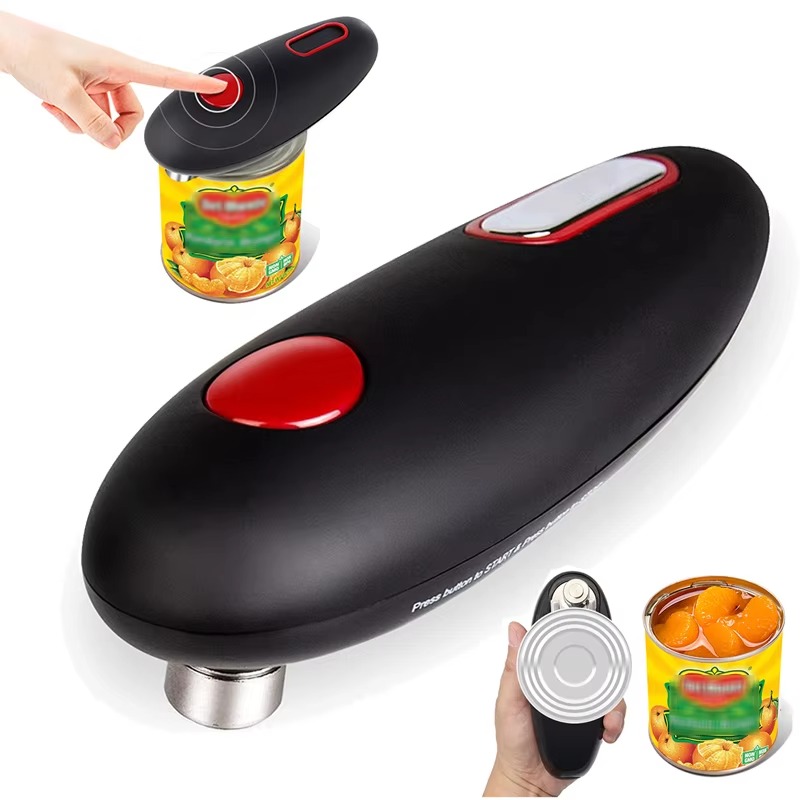
- Handheld Battery-Operated Models (Portability, Smooth Edges): For those who prefer a less bulky option, handheld electric can openers are a game-changer. These compact devices often operate on batteries and attach directly to the top of the can. A single press of a button starts the cutting, and they move around the can automatically, leaving smooth, safe edges. Brands like Kitchen Mama are highly praised for their ease of use and ability to tackle various can sizes without any squeezing or twisting.
Manual Can Openers Designed for Arthritis: Ergonomic and Efficient
If you prefer a manual approach but need significant assistance, several manual can openers are specifically engineered to reduce strain.
- Smooth-Edge/Side-Cutting Can Openers: These innovative openers cut along the side of the can, just below the rim, rather than into the top. This leaves a smooth, dull edge on both the can and the lid, eliminating dangerous sharp edges. This design significantly reduces the risk of cuts and makes lid disposal much safer.
- Lever-Style/Locking Mechanism Can Openers: Some manual openers feature a mechanism that locks onto the can once engaged, removing the need for continuous squeezing of the handles. This can be a huge relief for sore hands. You simply clamp it on, lock it, and then turn the knob. The Zyliss Lock N’ Lift is a prime example, often praised for its secure grip and magnetic lid lifter.
- Ergonomic Handle Designs: Look for manual openers with large, soft, cushioned handles that provide a comfortable, non-slip grip. Oversized turning knobs are also crucial, as they offer more leverage and are easier to grasp and rotate without straining your fingers.
Key Features to Look For in an Arthritis-Friendly Can Opener
Choosing the best can opener for arthritis means prioritizing features that directly address the challenges posed by joint pain and reduced dexterity.
- Ergonomic Handles: Opt for handles that are generously sized, contoured to fit the hand, and made from soft, non-slip materials like rubber or silicone. This design distributes pressure evenly and prevents slipping, even with a weak grip.
- Oversized, Easy-Turn Knobs: Small, stiff knobs can be agony for arthritic fingers. A large, smooth-turning knob provides better leverage and requires less effort to rotate, making the cutting process significantly easier.
- Smooth-Edge Cutting: This is a non-negotiable safety feature. Can openers that cut along the side of the can create a dull, safe edge, preventing accidental cuts during handling and disposal. This is especially important if you have reduced sensation or control in your hands.
- One-Touch or Automatic Operation: For electric models, one-touch operation means you simply press a button, and the device does the rest. Automatic shut-off ensures the opener stops once the can is fully open, so you don’t have to monitor it constantly.
- Magnetic Lid Lifters or Pliers: Many arthritis-friendly can openers include a small magnet or built-in pliers to lift the lid off the can once it’s cut. This hands-free removal is invaluable, preventing you from having to touch potentially sharp edges or fish out a lid with sore fingers.
- Ambidextrous Design: If you sometimes use your left hand and sometimes your right, or if your dominant hand experiences more flare-ups, an ambidextrous design offers welcome flexibility.
Top Recommendations for the Best Can Opener for Arthritis
Based on extensive testing and user feedback, several models consistently stand out for their arthritis-friendly features and performance.
- Kitchen Mama Auto Electric Can Opener: This handheld, battery-operated electric can opener is a favorite for its one-touch operation and smooth-edge cutting. It effortlessly navigates around the can, requiring no grip or turning from the user. It’s truly a “set it and forget it” solution, making it ideal for those with severe hand pain or very limited strength.
- Hamilton Beach Smooth Touch Can Opener: A popular countertop electric model, the Hamilton Beach Smooth Touch opens cans from the side, creating smooth edges. Its tall design accommodates various can sizes, and its hands-free operation makes it perfect for daily use without any strain.
- Cuisinart Deluxe Stainless Steel Can Opener: This robust countertop electric can opener offers powerful, effortless operation. Many users with arthritis praise its stability, strong magnet for lid holding, and automatic shut-off feature, which provides peace of mind.
- OXO Good Grips Smooth Edge Can Opener: For those who prefer a manual option, the OXO Good Grips Smooth Edge stands out. It features large, cushioned handles and an oversized, easy-to-turn knob. Its side-cutting mechanism ensures smooth edges, and built-in pliers allow for hands-free lid removal, significantly reducing strain on arthritic hands.
- Zyliss Lock N’ Lift Can Opener: This manual can opener excels with its locking mechanism, eliminating the need to continuously squeeze the handles while turning. Its ergonomic, non-slip handles and integrated magnet for lid lifting make it a strong contender for comfort and safety.
- Kuhn Rikon Auto Safety Master Can Opener: This manual side-cutting opener automatically locks onto the can, making it easy to use with minimal effort. It leaves smooth edges and often includes additional features like a ring-pull opener, adding to its versatility for those with dexterity issues.
How to Use Your Arthritis-Friendly Can Opener Safely and Effectively
Even with an arthritis-friendly can opener, a few tips can enhance your experience and minimize strain.
- Read the Instructions: Each can opener has a slightly different mechanism. Familiarize yourself with how yours works before the first use.
- Stable Surface: For countertop electric models, ensure it’s on a stable, flat surface. For handheld models (both electric and manual), place the can on a non-slip mat or hold it firmly with your non-dominant hand (if comfortable) to prevent it from moving.
- Correct Positioning: Ensure the can opener is properly aligned with the can’s rim or side, depending on its design. For side-cutting models, it’s often a bit of a learning curve, but once you get it, it’s seamless.
- Gentle Engagement: Don’t force the opener. Allow electric models to work automatically. For manual models, engage the cutting wheel gently, using the large knob rather than brute force.
- Lid Removal: Always use the magnetic lifter or built-in pliers for lid removal to avoid touching potentially sharp (though smooth-edged) metal. Dispose of the lid immediately and safely.
Maintenance and Care for Longevity
Proper care ensures your best can opener for arthritis remains a reliable kitchen companion for years.
- Cleaning: Most manual can openers can be hand-washed with warm, soapy water. For electric models, always unplug them before wiping down the exterior with a damp cloth. Check the manufacturer’s instructions, as some cutting mechanisms might be removable and dishwasher-safe, while others are hand-wash only. Avoid submerging electric units in water.
- Drying: Ensure all parts are thoroughly dry before storing to prevent rust, especially on manual models with metal components.
- Storage: Store your can opener in a dry place where it’s easily accessible but won’t be damaged or accumulate grime.
Troubleshooting Common Can Opener Issues
Even the best can opener for arthritis can sometimes encounter a hiccup.
- Opener Getting Stuck: For manual openers, this might indicate the blade isn’t fully engaged or the can is dented. Reposition carefully. For electric models, check the batteries or ensure the can is seated correctly.
- Not Cutting Cleanly: A dull blade (on older manual models) or improper alignment can cause this. Clean the cutting mechanism to remove any food debris.
- Electric Opener Not Starting: Check if the electric model is plugged in or if the batteries need replacing. Ensure the “start” button is fully pressed.
Expert Insight: “Tools Make the Difference”
“Living with arthritis means constantly looking for ways to make daily tasks less painful and more manageable,” explains Dr. Eleanor Vance, a retired occupational therapist specializing in adaptive kitchen tools. “The right can opener isn’t a luxury; it’s a necessity. Ergonomic handles, oversized knobs, and especially the shift to electric or smooth-edge manual designs have been revolutionary. These tools empower individuals to maintain their independence in the kitchen, reducing frustration and preventing unnecessary pain. It’s incredible how a seemingly small change, like switching to the best can opener for arthritis, can make such a significant difference in someone’s quality of life.”
Frequently Asked Questions (FAQ)
What is the easiest can opener for someone with severe arthritis?
For severe arthritis, one-touch electric can openers are generally the easiest as they require no gripping, squeezing, or twisting. Models like the Kitchen Mama Auto Electric or Hamilton Beach Smooth Touch are excellent choices, doing all the work for you with minimal effort.
Are electric can openers truly better for arthritic hands?
Yes, for many individuals with arthritis, electric can openers are significantly better. They eliminate manual strain, requiring only a button press to operate, which is ideal for those with limited hand strength, dexterity, or chronic pain.
Do smooth-edge can openers make a big difference?
Absolutely! Smooth-edge can openers cut along the side of the can, leaving a dull, safe edge on both the can and the lid. This drastically reduces the risk of accidental cuts, which is a major safety benefit, especially for those with reduced hand sensation or control.
How do I choose between a manual and electric can opener for arthritis?
Consider the severity of your arthritis and your budget. Electric openers offer maximum ease but are more expensive and require power. Ergonomic manual openers are more affordable and portable but still require some hand motion, albeit significantly less than traditional models.
What features should I prioritize for weak grip?
For a weak grip, prioritize large, cushioned, non-slip handles and oversized, easy-to-turn knobs on manual models. For electric options, look for hands-free, one-touch operation with automatic shut-off and magnetic lid lifters to avoid any need for gripping or holding.
Conclusion
Finding the best can opener for arthritis can truly be a turning point in your kitchen experience, transforming a painful chore into an effortless task. Whether you opt for the complete hands-free convenience of an electric model or a manual design specifically engineered for comfort and safety, the key is to choose a tool that respects your body’s needs. Investing in an arthritis-friendly can opener isn’t just about opening cans; it’s about fostering independence, reducing pain, and making your time in the kitchen enjoyable again. Embrace the innovation, and say goodbye to struggling with stubborn lids for good.