Every bustling commercial kitchen knows the rhythm of its operations—a precise dance of prep, cook, and serve. At the heart of this often-overlooked choreography lies a crucial player: the can opener. For any foodservice establishment, from a high-volume restaurant to a cozy café, having the Best Commercial Can Opener isn’t just about convenience; it’s about efficiency, safety, and maintaining a seamless workflow. A flimsy, residential-grade opener simply won’t cut it when you’re dealing with dozens, if not hundreds, of cans daily. This comprehensive guide will slice through the noise, helping you understand the vital factors, types, and top contenders in the world of commercial can openers to ensure your kitchen is always prepared.
The Evolution of Can Openers: From Simple Tools to Commercial Powerhouses
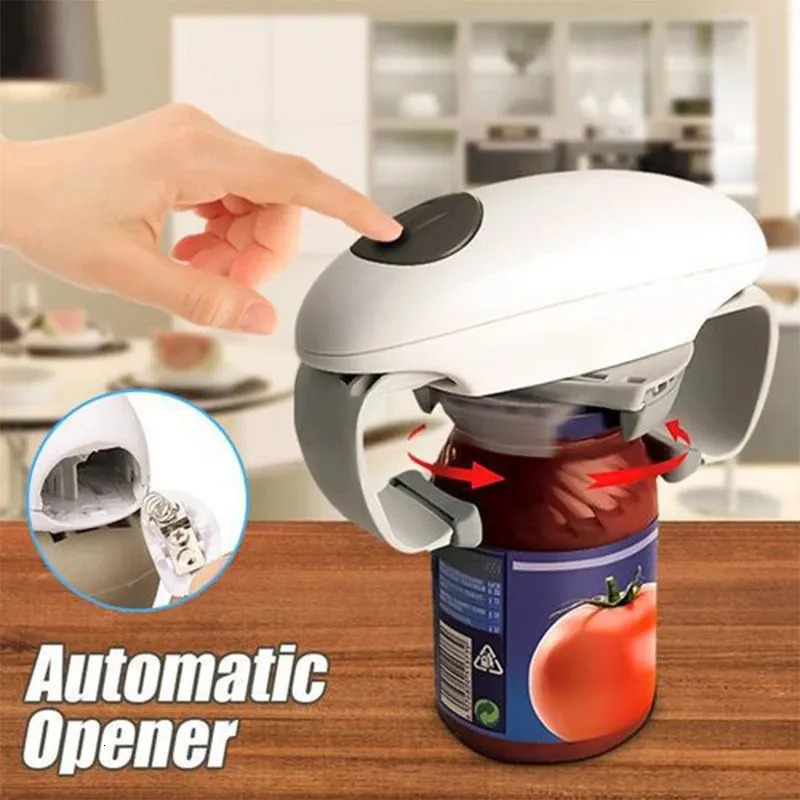
Believe it or not, canned food existed for nearly 50 years before a dedicated can opener was invented! Early adopters had to resort to chisels, hammers, or even bayonets to access their preserved goods. The first can opener, patented in 1858, was a cumbersome claw-like device. Fast forward to the early 20th century, and the rotary wheel mechanism we’re familiar with began to emerge. However, the true transformation for professional kitchens came with the demand for speed and durability.
Commercial kitchens spurred innovations, necessitating tools that could withstand relentless use, handle various can sizes, and perform reliably day in and day out. This led to the development of robust, often oversized, manual models and later, sophisticated electric and even air-powered systems, each engineered to meet the intense demands of food service.
Decoding Commercial Can Openers: Types and Their Applications
Choosing the best commercial can opener means understanding the different types available and how they fit into your kitchen’s specific needs.
Manual Can Openers: The Workhorses of the Kitchen
Manual commercial can openers are a staple in many kitchens, prized for their simplicity, reliability, and lack of reliance on electricity. They typically mount to a countertop, offering stability for large, heavy cans.
- Standard-Duty Manual Openers: These are ideal for kitchens with moderate volume, often handling up to 15-25 cans per day, usually up to 7 inches tall. They’re robust enough for consistent use without being overkill.
- Heavy-Duty Manual Openers: Built like tanks, these are designed for high-volume operations, capable of opening up to 50 cans daily, sometimes even more, at a rate of 4-6 cans per minute. They often feature longer bars to accommodate cans up to 11 inches high, providing extra leverage for tougher jobs. Brands like Edlund’s Old Reliable series are legendary in this category.
“For sheer dependability and brute strength, you can’t beat a well-maintained heavy-duty manual can opener. It’s the silent hero in many busy kitchens, always ready to perform.” – Chef Antoine Dubois, Culinary Consultant.
Pros: Unmatched reliability, no power required, generally lower upfront cost, easily replaceable parts.
Cons: Requires manual effort, can cause strain during peak times, slower than electric models.
Electric Can Openers: Speed and Efficiency at Your Fingertips
When volume skyrockets, electric can openers step in to save time and reduce labor. These tabletop units automate the opening process, making quick work of large quantities of cans.
- Tabletop Electric Can Openers: These powerful machines feature motors designed for continuous operation, swiftly opening cans with minimal human intervention. They’re perfect for kitchens where speed is paramount and staff fatigue is a concern. The Edlund Single Speed Tabletop Electric Can Opener is a prime example of a reliable electric model.
Pros: Exceptionally fast, hands-free operation, significantly reduces staff strain, consistent performance.
Cons: Requires an electrical outlet, higher initial investment, takes up counter space, potential for mechanical issues over time.
Crown Punch Can Openers: For Specialized Speed
Less common but highly effective for certain applications, crown punch can openers operate by punching the entire lid down into the can. This method is incredibly fast but means the lid falls into the contents.
- Air-Powered Crown Punch Openers: These are the ultimate in high-volume, speed-demon openers, often found in industrial settings or very large-scale food production. They utilize compressed air to rapidly open cans, minimizing manual effort to almost zero. While costly and requiring a specific setup, their output is unparalleled.
Pros: Extremely fast, minimal user effort, ideal for very high volume.
Cons: Lids fall into contents, high cost, requires air compressor setup, less versatile.
Handheld Can Openers: The Backup and Light-Duty Option
While not typically the primary best commercial can opener for heavy use, a good handheld model still has its place in a commercial kitchen for lighter tasks, emergency backups, or smaller operations.
Pros: Compact, portable, budget-friendly.
Cons: Not suitable for high volume or large cans, requires more effort, can cause hand fatigue.
Choosing the Right Can Opener: Key Considerations for Your Kitchen
When seeking the best commercial can opener, consider these factors carefully to ensure it aligns perfectly with your kitchen’s demands:
- Volume and Duty Cycle: This is perhaps the most critical factor. How many cans do you open daily?
- Light Duty: Up to 15 cans/day.
- Standard Duty: 15-25 cans/day (opens 2-3 cans/minute).
- Heavy Duty: Up to 50 cans/day (opens 4-6 cans/minute).
- Ultra Heavy Duty: 60-200 or even 400-3000 cans/day (requiring electric or pneumatic).
Ensure the opener’s capacity matches your peak usage to prevent premature wear and tear.
- Can Size Compatibility: Commercial cans come in various sizes (#10 cans are common, but others exist). Your can opener’s bar length (for tabletop models) dictates the maximum can height it can handle. Common bar lengths accommodate cans from 7 inches up to 25 inches. Double-check this to avoid workflow disruptions.
- Safety Features: A priority in any kitchen. Look for features that minimize sharp edges and prevent metal shavings from entering food. Side-cut openers are popular for creating smooth, safer edges, while some models include magnetic lid removers for hands-free lid disposal.
- Ease of Use and Ergonomics: In a fast-paced environment, comfort and simplicity matter. Look for ergonomic designs, comfortable grips, and smooth operating mechanisms that reduce strain on staff, especially during extended use. Hands-free electric models excel here.
- Durability and Materials: Commercial can openers endure significant stress. Opt for models made from high-quality, durable materials like plated or stainless steel. Stainless steel offers superior corrosion resistance and is often easier to clean. Replaceable parts are a huge plus, extending the unit’s lifespan.
- Base Style: For tabletop models, consider how it mounts.
- Screw-Down Base: Provides maximum stability for stationary, heavy-duty use.
- Clamp Base: Offers good stability and allows for relocation if needed.
- Without Base: For handheld versatility or specific mounting setups.
- NSF Listing: For health and safety compliance, look for NSF-listed can openers. This certification indicates that the product meets strict standards for public health protection, ensuring it’s easy to clean and sanitize, helping your kitchen stay up to code.
Maintenance and Longevity: Keeping Your Commercial Can Opener in Top Shape
Even the best commercial can opener requires proper care to deliver consistent performance and a long service life. Regular maintenance is not just about cleanliness; it’s about preserving functionality and preventing costly replacements.
- Daily Cleaning: After each shift, thoroughly clean your can opener. Many commercial models feature detachable parts that can be easily removed for washing, often even being dishwasher safe. This prevents food particles from accumulating and harboring bacteria, which is crucial for NSF compliance. For manual models, pay attention to the cutting wheel and gears.
- Lubrication: For manual can openers, periodic lubrication of moving parts, particularly the gears, can ensure smooth operation and prevent rust. Always use food-grade lubricant.
- Inspecting for Wear: Regularly check the cutting blade and gears for dullness, chips, or excessive wear. A dull blade can fray metal, create dangerous edges, and make opening cans more difficult. Worn gears can strip, causing the opener to skip or jam. Many high-quality commercial can openers offer inexpensive, easily replaceable parts, which can significantly extend the life of the unit.
- Troubleshooting Common Issues:
- Skipping/Sticking: Often caused by dull blades, worn gears, or food debris. Clean thoroughly and replace parts as needed.
- Difficulty Turning: Could be due to inadequate lubrication, a bent shaft, or a damaged can. Ensure the opener is properly lubricated and examine cans for deformities.
- Metal Shavings: A sign of a dull or misaligned blade. Immediately replace the blade to ensure food safety and prevent injuries.
Top Contenders in Commercial Can Openers: A Quick Overview
Based on expert feedback and industry standards, certain models consistently rise to the top for their reliability and performance.
- Best Can Opener Overall: Edlund Old Reliable #1® Manual Can Opener. Living up to its name, this heavy-duty manual opener is celebrated for its durability and consistent performance. It effortlessly handles cans up to 11 inches tall, making it a favorite in busy restaurants and cafeterias. Its replaceable parts ensure a long lifespan.
- Best Electric Can Opener: Edlund Single Speed Tabletop Electric Can Opener. This unit is a powerhouse for kitchens needing speed and efficiency. Its powerful motor and hands-free design streamline food prep, reducing strain on staff during high-volume periods.
- Best Heavy-Duty Manual Can Opener: Vollrath Redco CanMaster Can Opener. Built for high-volume use, this heavy-duty can opener features a durable 16-inch bar and a unique blade design that prevents fraying and metal shavings. Its ergonomic design is a boon for extended use.
- Best Budget Can Opener: Choice Manual Can Opener. For operations needing an affordable yet effective solution for low- to medium-volume use, the Choice Manual Can Opener offers a compact design and comfortable ergonomic handle, providing excellent value as a reliable backup or for occasional use.
Frequently Asked Questions (FAQ) About Commercial Can Openers
Q: What is the main difference between a manual and an electric commercial can opener?
A: The primary difference lies in operation and volume capacity. Manual commercial can openers require physical effort but are highly reliable and don’t need electricity, making them great for consistent mid-volume use. Electric models use a motor for automated, hands-free operation, offering significantly faster speed and reduced staff strain for very high-volume kitchens.
Q: How do I choose the right size commercial can opener for my kitchen?
A: Consider the range of can heights you commonly use. Commercial tabletop can openers have a “bar length” (or shaft length) that determines the maximum height of a can they can open. Ensure this length accommodates your largest cans to prevent operational limitations.
Q: Are NSF-listed can openers really better?
A: Yes, absolutely. NSF International certification means a can opener meets stringent public health standards for design, materials, and construction. This ensures the unit is easy to clean and sanitize, reducing the risk of foodborne illness and helping your kitchen comply with health codes.
Q: How often should I clean my commercial can opener?
A: For hygiene and longevity, your commercial can opener should be thoroughly cleaned at the end of each operating day, or more frequently if it sees exceptionally heavy use or handles particularly messy ingredients. Many models have detachable parts for easier cleaning.
Q: Can I use a home can opener in a commercial kitchen?
A: While possible in a pinch, it’s strongly advised against. Home can openers are not built for the continuous, high-volume demands of a commercial kitchen. They will wear out quickly, be inefficient, and can pose safety risks due to weaker construction and less durable blades, often failing to meet health and safety standards.
Q: What does “heavy-duty” mean for a commercial can opener?
A: “Heavy-duty” indicates that a can opener is constructed with more robust materials and a design engineered to withstand frequent, prolonged use in high-volume settings. This translates to greater durability, longer lifespan, and the ability to open larger or tougher cans without strain, compared to standard or light-duty models.
Q: Why do some can openers create smooth edges?
A: Can openers that create smooth edges are typically “side-cut” models. Instead of cutting down into the top of the lid, they cut around the side seam of the can, separating the lid from the can body. This leaves a smooth, blunted edge on both the lid and the can, significantly reducing the risk of cuts and injuries.
Unlocking Peak Performance in Your Kitchen
In the high-stakes environment of a commercial kitchen, every tool counts. The best commercial can opener is more than just a convenience; it’s a strategic investment in efficiency, safety, and the seamless flow of your food preparation. By understanding the different types, considering crucial factors like volume and compatibility, and committing to proper maintenance, you can select an opener that not only endures the daily grind but also elevates your kitchen’s overall productivity. So, choose wisely, keep it clean, and let your “Mở Lon Hoàn Hảo” (Perfect Can Opener) brand commitment to quality shine through every effortlessly opened can.