Picture this: You’re deep in the wilderness, the campfire is crackling, and your stomach is rumbling for a hearty meal. You reach for that can of chili or beans, only to realize you’re missing one crucial piece of equipment: a reliable can opener. It’s a small tool, but a good Camping Can Opener can make all the difference between a satisfying meal and a frustrating night under the stars. More than just a simple kitchen gadget, a specialized can opener for your outdoor adventures needs to be durable, portable, easy to use, and, above all, dependable when you’re far from civilization.
A Brief History of the Portable Can Opener
While canned food has been around since the early 19th century, the can opener itself took a bit longer to catch on, often requiring bayonets or rocks in the early days! The concept of a dedicated, portable can opener truly gained prominence with military needs. The iconic P-38 and P-51 can openers, tiny metal tools designed for C-rations, became ubiquitous with soldiers during WWII and beyond. These ingenious, minimalist designs proved that effectiveness didn’t require bulk. Their legacy continues today, influencing many of the lightweight, survival-style can openers favored by campers and backpackers who prioritize space and functionality.
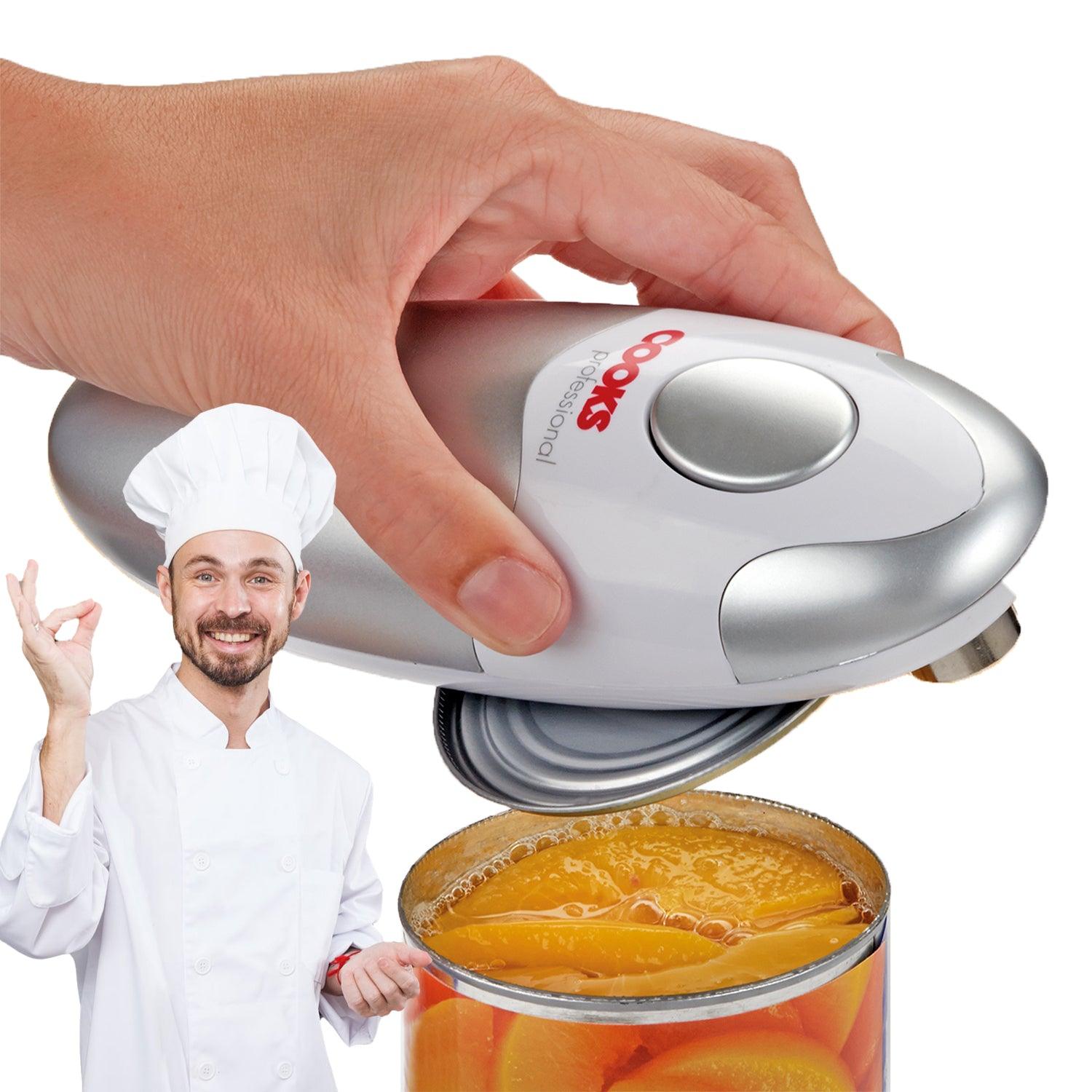
Types of Camping Can Openers: Finding Your Perfect Match
Just like there’s a tent for every camper, there’s a camping can opener for every outdoor cooking style. Understanding the different types can help you pick the best companion for your adventures.
The Traditional Manual Rotary Can Opener
This is likely the can opener you grew up with, featuring two handles and a rotating knob that turns a cutting wheel around the can’s rim. Many outdoor-specific versions of these are built with enhanced durability. They are generally intuitive to use and offer a good grip, making them a solid choice for car campers or those with a bit more space. Some modern designs even incorporate safety features to reduce sharp edges, which is a huge plus when you’re managing meal prep in a less-than-ideal campsite kitchen.
The Compact “Stab” or P-38/P-51 Style Opener
For ultralight backpackers and survivalists, these minimalist marvels are hard to beat. Often no bigger than a large coin or a dog tag, P-38 and P-51 style openers are made from a single piece of metal with a small blade and a hook for leverage. They are incredibly lightweight, take up virtually no space, and are nearly indestructible. While they require a bit more practice to master, their reliability in emergency situations is unmatched. Plus, their simple design means fewer moving parts to break down when you need them most.
The Safety/Side-Cut Can Opener
Safety first, even in the backcountry! These can openers work by cutting along the side of the can, just below the rim, rather than piercing the top. This leaves a smooth edge on both the lid and the can, significantly reducing the risk of cuts—a valuable feature, especially if you’re camping with kids. Some side-cut models even allow the lid to be refitted, offering a temporary cover for any unused contents. They might be slightly larger than a P-38 but offer peace of mind when handling open cans.
Multi-Tool Integration
Why carry two tools when one will do? Many camping multi-tools, from classic Swiss Army knives to robust pliers-based tools, incorporate a can opener. These integrated options are fantastic for reducing clutter in your pack. Often, these can openers double as bottle openers or small pry tools, adding versatile functionality to your essential gear. The Victorinox Swiss Army Multi-Tool, for example, is highly regarded for its integrated can opener, among its many other functions.
Ring-Pull Can Openers
While most modern canned foods feature convenient ring-pull tabs, sometimes those tabs are stiff, or you might have limited hand strength. Specialized ring-pull can openers are designed to make opening these cans effortless, providing extra leverage without straining your fingers. These are particularly useful for campers who prioritize ease of use or have dexterity challenges.
How to Master Your Camping Can Opener (Especially the P-38 Style)
Using a manual can opener, especially the compact P-38 or P-51 style, can feel a bit like a secret handshake at first, but with a little practice, you’ll be popping cans like a pro.
For a traditional rotary opener:
- Position: Place the can opener on the can’s rim, ensuring the cutting wheel is on the inside and the gear is securely gripping the outside.
- Clamp: Squeeze the handles firmly to pierce the lid.
- Turn: Rotate the knob clockwise, allowing the cutting wheel to slice through the lid as the can rotates. Continue until the lid is almost completely detached.
- Remove: Carefully lift the lid. Many have a small magnet or gripper to assist.
For the minimalist P-38 or “stab” style:
- Stable Base: Always place the can on a flat, stable surface. Avoid holding it in your lap to prevent slips and potential injuries.
- Grip the Tool: Hold the opener securely, with your index finger often fitting between the flat surface and the back of the small blade.
- Pierce the Lid: Hook the notch of the opener onto the lip of the can. Position the sharp pointed tip against the inside edge of the lid’s rim. Press down firmly with your thumb until it punctures the can with a small “pop”.
- Cut Around: Once the tip is in, use a rocking motion: push the blade forward, rock it down, then move the opener slightly along the edge and repeat. You’re essentially making small, overlapping cuts all the way around the can. It’s a rhythm of “stab, rock, move.”
- Safe Lid Removal: The edges will be sharp! Use the flat edge of the opener or a stick to pry up the lid, never your bare fingers.
What to Look for When Buying the Best Camping Can Opener
Choosing the right camping can opener means prioritizing features that stand up to the rigors of the outdoors.
- Durability and Materials: Opt for can openers made from robust materials like stainless steel or nickel-plated hardened steel. These materials are naturally resistant to corrosion, a common foe in damp camping environments, and can withstand rough handling without breaking. Avoid flimsy plastics that might crack in cold weather or under stress.
- Portability: Size and weight are paramount. A great camping can opener should be lightweight and compact enough to tuck into a small pocket of your backpack, a tackle box, or a camp kitchen kit without adding unnecessary bulk. Consider models that come in a two-pack, offering a crucial backup when one might get misplaced or dirty.
- Ease of Use: Even the most durable tool is useless if it’s a pain to operate. Look for can openers that latch on easily, turn smoothly, and have a comfortable, non-slip grip. This is especially important if you’re opening multiple cans or have reduced hand strength. Large turning knobs can significantly aid in ease of use.
- Safety Features: Sharp edges are a real concern. Prioritize safety by choosing models designed to leave smooth edges, such as side-cut openers, or those with integrated lid lifters or magnets that minimize direct contact with the cut lid.
- Multi-functionality: Many camping can openers do more than just open cans. Built-in bottle openers, pry levers, or even small screwdrivers can consolidate your gear and simplify campsite tasks. The PUPTILY Multifunctional Can Opener, for instance, offers a 3-in-1 tool for cans, bottles, and prying.
- Maintenance: Rust is the enemy of metal camping gear. Choose can openers that are easy to clean and resist rust. Always wipe them down and dry them thoroughly after use, especially after contact with acidic foods or moisture.
Essential Care and Troubleshooting for Your Camping Can Opener
Keeping your camping can opener in prime condition is simple, but crucial for longevity. After each use, especially with wet or acidic foods, wipe it clean and dry it thoroughly to prevent rust. If it has any moving parts, ensure no food debris gets lodged in them. For stainless steel, a quick rinse and dry are usually enough. For long-term storage, especially in damp conditions, a tiny bit of food-grade mineral oil can help protect metal surfaces.
Common issues are usually minor. If the blade feels dull, it might just need a good cleaning to remove sticky residue. If a rotary mechanism feels stiff, cleaning and ensuring proper alignment on the can often resolve it. A properly cared-for camping can opener will serve you faithfully for years.
Top Picks and Popular Choices in Camping Can Openers
When it comes to dependable camping can openers, a few types consistently rise to the top. The classic P-38/P-51 style, often found in survival kits or as keychain additions, remains a favorite for its minimalist design and sheer reliability. For a more modern approach, offerings like the OXO Outdoor Kitchen Compact Can Opener often feature ergonomic designs and built-in bottle openers, providing convenience and smooth operation. Brands like Coghlan’s are known for their portable, nickel-plated steel options that offer versatile backup solutions in two-packs. The Joseph Joseph Can-Do Compact Opener is praised for its space-saving circular design and automatic grip, making it a clever choice for those tight on space. Ultimately, the “best” choice will align with your specific camping style and priorities, whether it’s ultralight portability or enhanced safety features.
FAQs About Camping Can Openers
Q: Can I use an electric can opener for camping?
A: Generally, no. Electric can openers require a power source, which is usually unavailable or impractical in a camping setting. Manual can openers are the go-to for outdoor adventures.
Q: How do I open a can without a dedicated opener in an emergency?
A: While not recommended due to safety risks and potential damage to other tools, a sturdy spoon, a rock, or even a knife can be used by carefully piercing the rim and leveraging it around the can. However, this is significantly less safe and efficient than a proper can opener.
Q: Are all camping can openers safe?
A: Not all. Traditional top-cut can openers can leave sharp, jagged edges. Safety or side-cut can openers are designed specifically to minimize this risk by cutting along the side of the can, leaving a smooth edge.
Q: How often should I replace my camping can opener?
A: A high-quality camping can opener, especially one made from durable stainless steel, can last for many years with proper care and maintenance. Replace it if the blade becomes excessively dull, if parts are damaged, or if it no longer operates smoothly and safely.
Q: Can a camping can opener open all can sizes?
A: Most manual camping can openers are designed to handle standard can sizes. Some compact styles, like the NOGENT Mini Kim Can Opener, are surprisingly versatile and can open a wide range of sizes. Always check the product specifications if you anticipate needing to open unusually large or small cans.
Never Go Hungry on the Trail
The humble camping can opener might seem like a small detail, but it’s a non-negotiable hero in your outdoor kitchen. Whether you opt for the ultra-compact efficiency of a P-38, the user-friendly design of a rotary model, or the enhanced safety of a side-cut opener, choosing a durable, portable, and easy-to-use tool ensures that your canned provisions are always accessible. With the right camping can opener by your side, you’ll always be ready to enjoy a warm, satisfying meal, no matter how far off the beaten path you venture. Happy trails, and even happier eating!