Ah, the humble Hand Can Opener. It might seem like a simple gadget, but for generations, it’s been a dependable workhorse in kitchens worldwide, saving us from wrestling with stubborn cans. From quick weeknight dinners to prepping for a big family feast, a reliable hand can opener is truly an unsung hero. But how much do you really know about this trusty tool, its journey through history, or how to pick the perfect one for your kitchen? Let’s dive in and explore everything about your essential kitchen companion.
The Journey of the Can Opener: A Slice Through Time
Believe it or not, canned food existed for nearly fifty years before the invention of the can opener itself. Imagine the frustration! Early cans, developed in the early 1800s, were made of thick wrought iron and tin, so substantial that the recommended method for opening them involved a hammer and chisel. Can you picture that in today’s kitchen? Thankfully, necessity truly is the mother of invention.
From Hammers to Handhelds: A Brief History
The tide began to turn in 1858 when American inventor Ezra Warner patented one of the first lever-type can openers. His design featured a pointed blade that pierced the lid, while another component sawed around the edge. While innovative, it left a dangerously jagged rim, proving impractical for everyday domestic use, though it found purpose with soldiers during the Civil War.
The real breakthrough for the modern hand can opener came in 1870 when William Lyman introduced a rotary cutting wheel design. This was a step closer to what we recognize today, but it still required piercing the center of the lid and adjusting for different can sizes. The design we know and love, featuring a tooth-wheeled crank that grips the can’s rim, wasn’t patented until 1931 by Charles Arthur Bunker. This ingenious design made opening cans significantly easier and safer for the average consumer, setting the standard that largely continues to this day.
During World War II, military needs spurred the development of compact and robust can openers like the American P-38 and P-51, small, hinged blades designed for individual rations. These iconic tools showcased the versatility and portability that a good hand can opener could offer.
Decoding the Types of Hand Can Openers
When you think of a hand can opener, you likely picture one of two main styles, each with its own quirks and advantages.
The Classic Rotary Can Opener: A Familiar Friend
This is probably the type of hand can opener most people envision: two handles that you squeeze together, a sharp cutting wheel, and a serrated feed wheel. You clamp it onto the top edge of a can, and as you turn the knob, the wheels work in tandem to cut through the lid’s rim. It’s tried and true, a staple in many kitchens, and typically offers a good balance of efficiency and cost-effectiveness. The main drawback? It can often leave a sharp, sometimes jagged, edge on the can, which requires careful handling.
The Smooth-Edge “Safety” Can Opener: A Safer Spin
Enter the smooth-edge or “safety” can opener, a clever innovation designed with safety in mind. Instead of cutting down into the lid from the top, this type of hand can opener cuts horizontally along the side of the can, just below the rim. This unique action separates the lid from the can without creating any sharp edges, making it much safer to handle both the lid and the can itself. Many models even come with a little gripper or pliers to easily lift the lid once it’s cut, keeping your fingers completely safe.
Beyond the Basics: Other Manual Marvels
While the rotary and smooth-edge styles dominate, other manual can openers exist for specific needs or historical charm:
- Church Key: Primarily a bottle opener, but historically used to puncture triangular holes in flat-top steel beer cans.
- P-38/P-51: Those small, military-style openers are compact and effective, often used in camping or emergency kits. They pierce the lid and saw along the edge, reminiscent of earlier designs.
How to Use Your Hand Can Opener Like a Pro
Even a tool as seemingly straightforward as a hand can opener benefits from proper technique. Let’s make sure you’re getting the safest and most efficient experience.
Step-by-Step Guide for Traditional Rotary Openers
- Prep Your Workspace: Place the can on a flat, stable countertop.
- Position the Opener: Spread the arms of your hand can opener wide. Align the sharp cutting wheel with the top edge of the can’s lid, and ensure the notched feed wheel is positioned just under the rim, with the turning knob facing outwards.
- Engage the Cut: Squeeze the handles firmly together until you feel the cutting wheel puncture the can lid. You might hear a slight hiss as the seal breaks.
- Start Turning: With a steady grip on the handles, turn the knob clockwise. The feed wheel will grip the can’s lip, and the cutting wheel will smoothly (or mostly smoothly!) cut around the lid. Keep turning until you’ve gone almost all the way around, or completely detached the lid. The can will rotate as you work.
- Remove the Lid: Carefully release the pressure. Use the can opener’s built-in lid-lifter (if it has one) or a butter knife to gently pry off the lid. Always be mindful of the potentially sharp edges.
What’s the best way to grip a hand can opener?
The best way to grip a hand can opener is to hold the handles firmly but comfortably in your dominant hand, while your non-dominant hand stabilizes the can on a flat surface. This provides control and reduces slippage.
Mastering the Smooth-Edge Safety Can Opener
- Place the Can: As with the traditional type, place the can on a flat, sturdy surface.
- Align the Wheels: Position the smooth-edge hand can opener on top of the can. Line up the notched feed wheel with the can’s lip and the cutting wheel on the side of the can, just below the rim.
- Engage and Turn: Some models automatically grip, others require a slight squeeze. Once engaged, turn the knob (which might be on the side or top) clockwise. The opener will travel around the can, cutting below the rim.
- Lift the Lid: Once the opener has completed its rotation, the lid should be detached with a smooth edge. Many safety openers have a small pincer or notch to help you lift the lid cleanly away.
How do smooth-edge can openers work?
Smooth-edge can openers work by cutting through the side seam of the can, just below the rim, rather than piercing through the top of the lid. This action separates the lid and can without leaving any sharp, dangerous edges on either piece.
Choosing Your Perfect Hand Can Opener: A Buyer’s Guide
With so many options out there, how do you pick the right hand can opener for your kitchen? It’s all about matching features to your needs.
Comfort and Ergonomics: Your Hands Will Thank You
A comfortable grip is crucial, especially if you open a lot of cans or have hands that are prone to fatigue or arthritis. Look for:
- Soft-grip handles: Many models feature rubberized or cushioned handles for a more comfortable hold.
- Large, easy-turn knobs: A larger knob is easier to grasp and turn, reducing strain on your fingers and wrists. This is especially beneficial for seniors or those with limited hand dexterity.
- Ergonomic designs: Some hand can openers are specifically designed for ease of use, even for one-handed operation or for individuals with conditions like arthritis.
Blade Quality and Cutting Mechanism: The Heart of the Opener
The cutting mechanism is what makes or breaks a can opener.
- Material Matters: Stainless steel blades are durable, rust-resistant, and stay sharp longer.
- Top-Cut vs. Side-Cut: Decide if you prefer the traditional top-cutting style (which can leave sharp edges but is often very robust) or the newer side-cutting “safety” style (for smooth edges and easier lid re-sealing, great for pet food).
Durability and Ease of Cleaning: Built to Last
A good hand can opener should stand the test of time and be easy to keep hygienic.
- Construction: Heavy-duty construction, often with robust metal components, indicates longevity.
- Cleaning: Can openers can accumulate food residue. Look for designs that are easy to rinse and air dry. While some claim to be dishwasher-safe, hand washing and thorough drying generally extend their life and prevent rust.
Special Features: More Than Just Opening Cans
Many hand can openers come with added perks:
- Lid-lifting magnet: A small magnet on the opener can lift the cut lid for easy, hands-free disposal.
- Integrated bottle or jar openers: Multi-functional tools save drawer space.
- One-handed operation: Some designs are tailored for individuals who need to operate the tool with a single hand.
“When selecting a hand can opener, think about who will be using it most,” advises Amelia Clarke, a seasoned kitchen tools expert. “For families with young children or anyone concerned about sharp edges, a smooth-edge safety opener is a game-changer. But for sheer robust performance, a well-made traditional rotary opener is hard to beat.”
Are there hand can openers for left-handed people?
Yes, while most traditional hand can openers are designed with right-handed users in mind (turning clockwise), many safety can openers are ambidextrous, allowing them to be used effectively by both left- and right-handed individuals. Some specialized left-handed models of rotary openers are also available.
Keeping Your Hand Can Opener in Top Shape
A little care goes a long way in ensuring your hand can opener remains a reliable kitchen ally.
Cleaning and Maintenance Tips
- Wash After Every Use: Don’t just rinse it. Use warm water and dish soap, scrubbing the cutting and feed wheels with a small brush (like an old toothbrush) to remove any food particles or sticky residue.
- Dry Thoroughly: This is crucial! Rust is the enemy of any metal kitchen tool. After washing, dry your hand can opener completely with a dish towel, and then let it air dry fully, perhaps with the handles spread open, before storing. Avoid putting it in the dishwasher, as harsh detergents and high heat can dull blades and promote rust.
- Deep Clean for Gunk/Rust: If rust or stubborn gunk builds up, try soaking the hand can opener in white vinegar or apple cider vinegar for a few hours, or even overnight. Afterwards, scrub with a brush, rinse thoroughly, and dry completely.
- Lubricate (Occasionally): For a smooth operation, you can periodically apply a tiny drop of food-grade mineral oil to the gears and pivot points, then wipe away any excess.
Troubleshooting Common Can Opener Woes
- Dull Blades: Over time, cutting wheels can become dull. If your hand can opener struggles to pierce or cut, it might be time for a replacement. Attempting to sharpen them yourself is often difficult and risky.
- Rust Spots: If rust appears despite your best efforts, a vinegar soak (as mentioned above) can often help. Persistent rust might indicate it’s time for a new opener.
- Skipping or Not Gripping: Ensure the can opener is properly aligned and firmly squeezed onto the can. If it still slips, the feed wheel might be worn, or the can opener itself could be misaligned or broken.
Frequently Asked Questions
Q: Can a hand can opener be sharpened?
A: While theoretically possible, sharpening the intricate cutting wheels of a hand can opener is often challenging for the average user and can compromise its effectiveness or safety. For best results, if a blade becomes too dull, it’s usually more practical and safer to replace the hand can opener.
Q: Why does my hand can opener leave sharp edges?
A: Most traditional rotary hand can openers are designed to cut into the top of the can’s lid, which inherently creates a sharp edge. If you prefer smooth edges, consider switching to a “safety” or side-cutting hand can opener.
Q: How do I remove a stubborn lid with a hand can opener?
A: If the lid is mostly cut but still stuck, try using the opener’s built-in lid-lifter (if available) or gently slide a butter knife or the blunt side of a spoon under the lid to pry it up. Always exercise caution to avoid contact with any sharp edges.
Q: What’s the difference between a top-cut and side-cut can opener?
A: A top-cut hand can opener cuts directly down into the lid, separating it from the top rim of the can, which often leaves sharp edges. A side-cut (or smooth-edge) hand can opener cuts around the side of the can, just below the rim, leaving a smooth, safe edge on both the can and the lid.
Q: Are manual can openers better than electric ones?
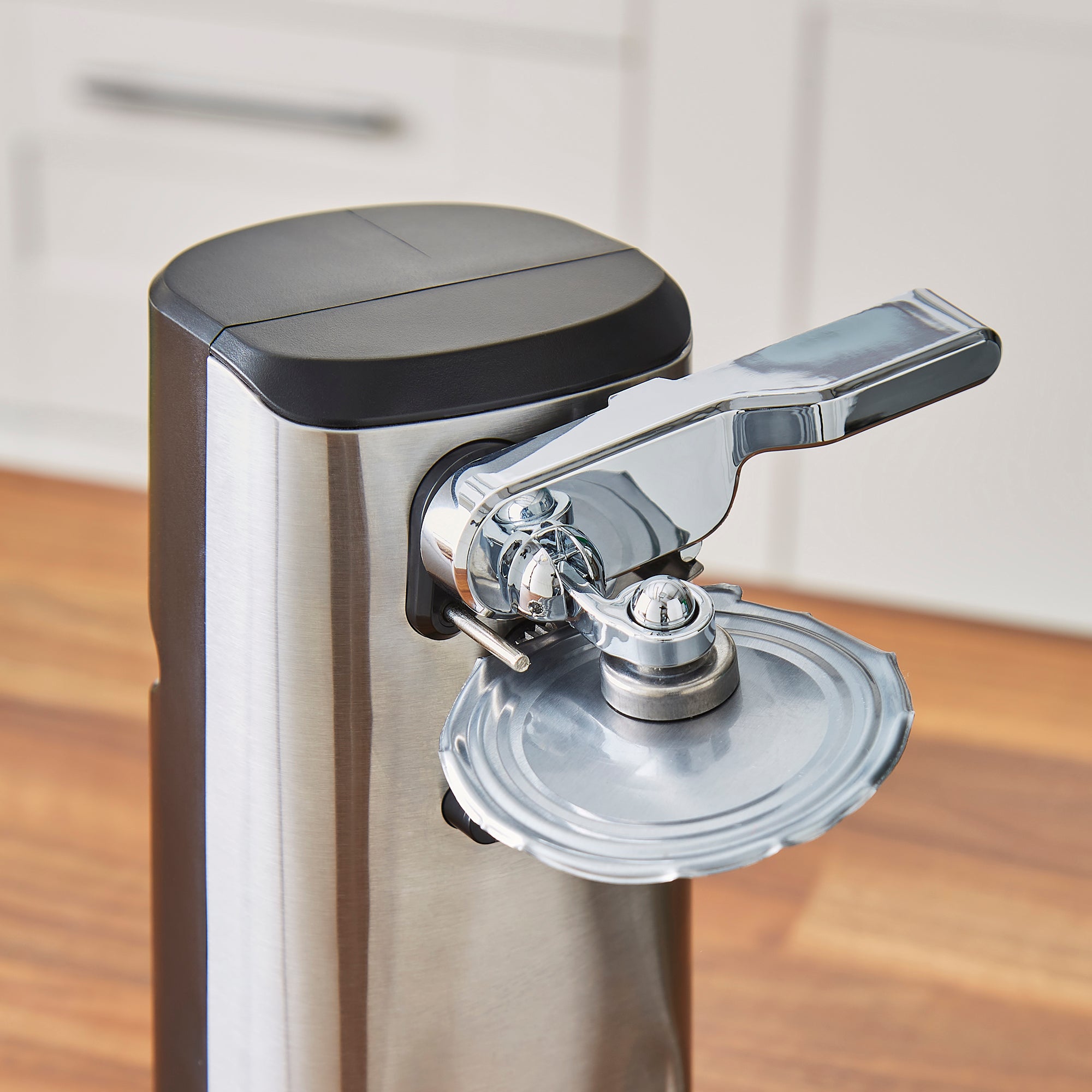
A: It depends on your preference! Manual hand can openers are generally more compact, portable, less expensive, and don’t rely on electricity, making them great for camping or power outages. Electric openers offer ease of use and speed, especially for those with limited hand strength, but they take up counter space and need a power source.
The Enduring Appeal of the Hand Can Opener
From its rudimentary beginnings to the sophisticated, smooth-edge designs of today, the hand can opener has evolved into an indispensable kitchen tool. It stands as a testament to simple, effective engineering, reminding us that sometimes, the best solutions are the ones you hold right in your hand. Investing in a quality hand can opener, understanding its proper use, and giving it a little TLC will ensure it serves you faithfully for years to come. So go ahead, open that can with confidence, knowing you’ve got a little piece of history and innovation right at your fingertips.