Ever found yourself wrestling with a stubborn can, wishing you had an extra hand or just a bit more grip strength? You’re not alone! A truly effective one-handed can opener can be a game-changer, transforming a frustrating kitchen chore into a smooth, effortless task. For anyone navigating limited dexterity, arthritis, or simply seeking ultimate convenience, choosing the right tool makes all the difference. Get ready to elevate your cooking experience with insights from “Perfect Can Opener” – your trusted source for cutting-edge kitchen solutions.
The Enduring Legacy: A Brief History of Can Openers
Before we dive into the wonders of the modern one-handed can opener, let’s take a quick trip down memory lane. The concept of preserving food in tin cans emerged in the late 18th century, but for decades, opening these sturdy metal containers was an ordeal. Early cans were incredibly thick, often requiring a hammer and chisel to access their contents!
It wasn’t until 1858 that American inventor Ezra Warner patented the first can opener, a rather cumbersome device that essentially consisted of a bayonet-like blade. While an improvement, it still left dangerously jagged edges. William Lyman introduced a rotary cutting wheel in 1870, a step closer to what we recognize today, but it was the addition of a second, serrated “feed wheel” in 1925 that truly made manual can openers practical for household use. Electric can openers made their debut in 1931, slowly paving the way for the hands-free, user-friendly designs we cherish today. This rich history underscores a continuous quest for easier, safer can-opening, culminating in the innovative one-handed can opener solutions available now.
Understanding the Need: Who Benefits from a One-Handed Can Opener?
The brilliance of a one-handed can opener lies in its accessibility. It’s not just a niche product; it’s a universal solution that makes kitchen life simpler for a wide array of individuals.
## Seniors and Individuals with Arthritis or Joint Pain
For many, the simple act of gripping and twisting a traditional can opener can be painful, if not impossible. A one-handed can opener eliminates the need for a strong two-handed grip, providing much-needed relief and independence in the kitchen.
## People with Limited Mobility or Hand Injuries
Whether recovering from an injury or living with a permanent condition affecting hand movement, these openers offer a vital alternative. They allow users to engage their stronger hand or adapt to specific physical limitations.
## Busy Parents and Multitaskers
Imagine holding a child, stirring a pot, or managing other kitchen tasks while needing to open a can. A one-handed can opener streamlines the process, making it safer and more efficient for anyone juggling multiple responsibilities.
## Cooking Enthusiasts Seeking Convenience
Even without specific mobility challenges, the sheer ease and speed of a one-handed can opener are appealing. It’s about simplifying kitchen workflows and reducing effort for a smoother cooking experience.
Types of One-Handed Can Openers: A Closer Look
The market offers diverse one-handed can opener options, each designed with unique mechanisms to minimize effort and maximize safety.
## Manual One-Handed Can Openers
Don’t let the “manual” label fool you; these are far from your grandma’s traditional two-handled opener.
### Side-Cutting/Safety Designs
These ingenious devices cut along the side of the can, just below the rim, leaving a smooth, safe edge on both the can and the lid. Many models in this category feature an auto-grip mechanism, meaning you don’t need to squeeze handles constantly. For example, the Bartelli Soft Edge 3-in-1 Ambidextrous Safety Can Opener is praised for its no-squeeze single-handle design and easy-to-turn knob, making it ideal for those with weaker hands or arthritis. Similarly, the Kuhn Rikon Auto Safety Master Can Opener automatically grips the can, eliminating the need for strenuous squeezing, and even includes mini pliers for safe lid removal.
### Ergonomic Designs with Locking Mechanisms
Some manual can openers focus on superior ergonomics and clever locking features to reduce strain. The Zyliss Lock N’ Lift Can Opener, for instance, locks its blades into place once engaged, so you don’t have to maintain a tight grip as you turn the crank. Its comfortable, non-slip handle further enhances the user experience. Many of these also incorporate a magnet to lift the lid cleanly away, preventing direct contact with sharp edges.
## Electric One-Handed Can Openers
For ultimate ease, electric models are often the go-to choice, virtually eliminating all manual effort.
### Battery-Operated Electric Can Openers
These compact wonders offer hands-free operation and impressive portability. Simply place the Kitchen Mama One-Touch Electric Can Opener on top of the can, press a button, and let it do the work. It automatically moves around the can, cuts along the side for a smooth edge, and stops when finished. This independence from a power outlet means you can use it anywhere in the kitchen, or even take it on camping trips.
### Countertop/Plug-in Electric Can Openers
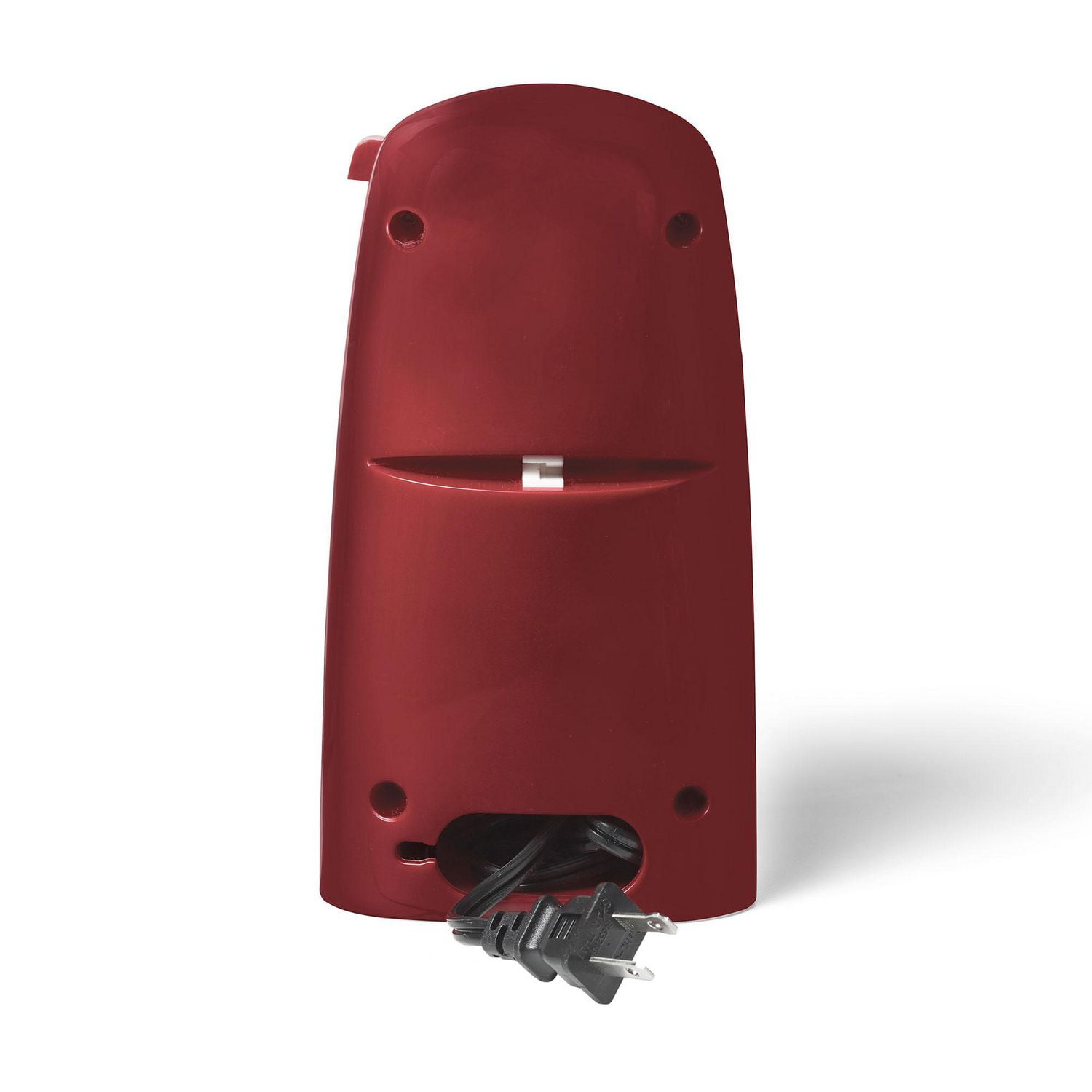
These larger, more robust units typically offer fully automatic operation. You simply position the can, activate the opener, and it takes over, often featuring a magnet that securely holds the lid once cut. The Hamilton Beach Electric Automatic Can Opener is a prime example, providing a consistent, hands-free opening every time. While they take up more counter space, their consistent performance and added features like built-in knife sharpeners make them a staple for many households.
Key Features to Look for in a One-Handed Can Opener
When selecting your ideal one-handed can opener, consider these critical features to ensure it meets your specific needs:
- No-Squeeze or Auto-Grip Mechanisms: This is paramount for single-hand use. Look for models that automatically clamp onto the can or have a mechanism that locks in place, preventing constant hand strain.
- Easy-Turn Knobs or Cranks: A large, comfortable, and smoothly operating knob or crank is crucial. Some designs offer extra leverage, reducing the force required.
- Smooth Edge Cutting (Side-Cutting): Prioritize can openers that cut along the side of the can. This eliminates dangerous sharp edges, significantly enhancing safety, especially for those with reduced dexterity.
- Ambidextrous Design: If multiple users with different dominant hands will be using the opener, an ambidextrous design (like the Bartelli) is a significant plus.
- Lid-Lifting Magnets or Pliers: These features are invaluable for safely removing the lid without touching potentially sharp edges or reaching into the can.
- Durability and Material Quality: Opt for openers made from high-quality stainless steel or durable plastics to ensure longevity and resistance to rust.
- Versatility: Some one-handed can openers also include integrated bottle or jar openers, adding extra value and reducing kitchen clutter.
How to Use Your One-Handed Can Opener Safely and Effectively
Even the most intuitive one-handed can opener benefits from proper technique to ensure safety and efficiency.
- Read the Instructions: Every can opener has slight variations. A quick read of the manufacturer’s guide will prevent confusion and ensure correct operation.
- Stable Surface: Always place the can on a flat, stable surface. This prevents spills and allows for better control, especially with manual models.
- Engage Correctly: For manual side-cutting openers, position the opener so the cutting wheel aligns correctly with the can’s rim. For electric models, ensure the can is firmly seated.
- Smooth, Consistent Motion: When turning a knob or pressing a button, maintain a steady, even motion. Avoid jerky movements, which can cause the opener to slip.
- Lid Removal: Utilize built-in lid-lifting tools or magnets. If your opener doesn’t have one, use a utensil or cloth to carefully remove the lid to avoid contact with any potential edges, even smooth-cut ones.
Choosing the Perfect One-Handed Can Opener for Your Kitchen
With so many excellent options, how do you pick the best one-handed can opener for you?
- Assess Your Needs: If hand strength is a major concern, an electric model (battery or plug-in) will offer the most ease. If you prefer manual tools but need less strain, a side-cutting, auto-grip manual opener is a superb choice.
- Consider Counter Space: Electric countertop models require dedicated space, while handheld manual or electric units are more compact.
- Budget: Prices vary, but there are high-quality, affordable options in both manual and electric categories.
- Read Reviews: Look for feedback from users with similar needs to yours, especially concerning ease of use and durability.
Care and Maintenance for Longevity
To ensure your one-handed can opener remains a reliable kitchen companion for years, proper care is essential.
- Clean After Each Use: Food residue can build up, affecting performance and hygiene. For most manual openers, a quick rinse with warm, soapy water and thorough drying is sufficient. Many electric models have removable cutting assemblies that are dishwasher-safe, while the main unit can be wiped clean.
- Dry Thoroughly: Moisture is the enemy of metal components. Always ensure your can opener is completely dry before storing to prevent rust and extend its lifespan.
- Storage: Store your can opener in a dry drawer or on a designated kitchen hook. Avoid tossing it into a cluttered drawer where it might be damaged or collect grime.
Troubleshooting Common Issues
Even the best one-handed can opener might encounter a hiccup occasionally. Here are some quick fixes:
- Opener Slips: Ensure the can opener is correctly engaged with the can’s rim. Sometimes, a slight adjustment in angle or a firmer initial press can resolve this. For electric models, check if the can is properly seated.
- Lid Not Fully Cut: Continue turning or operating the opener for another full rotation. Sometimes a small section might remain attached.
- Dull Blades: If you notice increased effort or an uneven cut, your blades might be dull. Some electric models have built-in sharpeners. For manual openers, cutting through aluminum foil or fine-grit sandpaper can sometimes help hone the edge. If not, it might be time for a replacement.
- Battery Issues (Electric): If a battery-operated opener isn’t working, check or replace the batteries.
Expert Insight: “The Future of Can Opening”
“The evolution of the can opener truly reflects our ongoing desire for smarter, more accessible kitchen tools,” says Chef Anya Sharma, a culinary innovator and advocate for accessible kitchen design. “Modern one-handed can openers are not just about opening cans; they’re about fostering independence and making cooking a joyful experience for everyone. The advancements in ergonomic design, auto-grip technology, and hands-free electric options mean that no one has to struggle with a can again. It’s an exciting time for kitchen innovation, prioritizing both efficiency and inclusivity.”
Frequently Asked Questions (FAQ)
## What makes a can opener “one-handed”?
A one-handed can opener is designed with features that allow it to be operated effectively using only one hand, often incorporating auto-grip mechanisms, easy-turn knobs, or electric power to eliminate the need for squeezing or maintaining a strong two-handed grip.
## Are one-handed can openers only for people with limited mobility?
Absolutely not! While they are incredibly beneficial for individuals with arthritis, joint pain, or limited hand strength, anyone seeking greater convenience, efficiency, and safety in their kitchen can benefit from a one-handed can opener.
## Do manual one-handed can openers leave sharp edges?
Many modern manual one-handed can openers, especially “safety” or “side-cutting” models, are specifically designed to cut along the side of the can, leaving smooth, safe edges on both the can and the lid.
## How do electric one-handed can openers work?
Electric one-handed can openers use a motor to drive a cutting mechanism around the can’s rim. Most models feature an auto-grip and a start/stop button, allowing for hands-free operation once engaged. Some also include magnets to lift the lid.
## How do I clean a one-handed can opener?
For most manual one-handed can openers, a quick wash with soap and water followed by thorough drying is sufficient. Many electric models have detachable cutting parts that can be cleaned in a dishwasher, while the main unit should be wiped clean. Always refer to the manufacturer’s instructions.
## Can one-handed can openers handle all can sizes?
Most one-handed can openers are designed to handle standard can sizes. Electric models, particularly those with hands-free operation, often excel at opening larger or heavier cans with ease.
Conclusion
The humble can opener has come a long way, evolving from a brute-force tool into a sophisticated kitchen gadget designed for accessibility and ease. A well-chosen one-handed can opener is more than just a convenience; it’s an investment in your kitchen’s efficiency, your personal comfort, and your culinary independence. Whether you opt for an innovative manual design that eliminates squeezing or a fully automatic electric model, upgrading to a one-handed can opener means saying goodbye to kitchen struggles and hello to effortless meal prep. Explore the possibilities and find the perfect match for your needs – your hands (and your dinner) will thank you!