Canned goods are kitchen staples, offering convenience and a long shelf life. But for years, opening them presented a common hazard: razor-sharp edges that threatened fingers and trash bags alike. Enter the Safety Can Opener, a true kitchen innovation that has transformed how we access our favorite ingredients. If you’ve ever cringed at a jagged can lid or suffered a nasty cut, it’s time to discover the magic of a safety can opener – the ingenious device designed to make your kitchen a safer place.
The humble can opener has come a long way since its early, often cumbersome, iterations. Initially, cans were so thick they required hammers and chisels to open! Over time, designs evolved, but for decades, the standard operation involved piercing the top of the lid, leaving a dangerously sharp rim. This wasn’t just a minor inconvenience; it was a genuine safety concern, leading to countless kitchen mishaps. The demand for a better, safer solution led to the development of the side-cutting mechanism, ushering in the era of the safety can opener.
What Exactly is a Safety Can Opener?
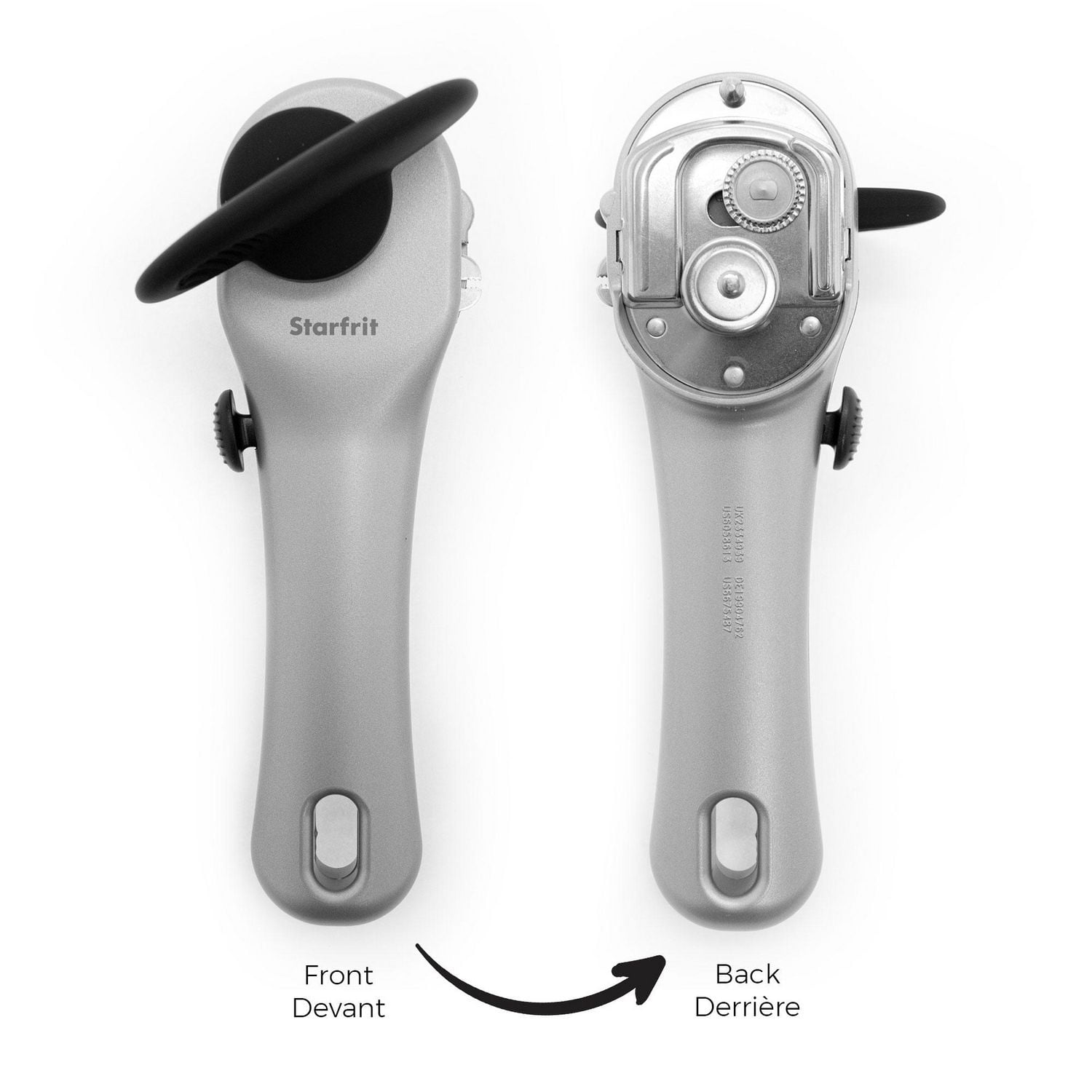
At its core, a safety can opener, often called a smooth edge can opener, revolutionizes the opening process by cutting along the side of the can, just below the rim, rather than through the top of the lid. Instead of creating a sharp, jagged edge, this clever mechanism severs the seal between the lid and the can’s body. The result? A perfectly smooth, dull edge on both the lid and the can itself. Imagine being able to run your finger along the freshly opened can without fear – that’s the promise of a safety can opener. This design not only eliminates the risk of cuts but also means the lid can often be gently placed back on the can, making it handy for temporary storage or disposal.
Types of Safety Can Openers: Manual vs. Electric
Just like traditional can openers, safety models come in various forms, primarily manual and electric, each with its own set of advantages.
Manual Safety Can Openers
These are often the most common type you’ll encounter. They typically feature a rotary dial that you turn to engage the cutting mechanism as it moves around the can’s circumference. Many manual safety can openers are designed with ergonomics in mind, boasting soft-grip handles and large, easy-to-turn knobs that reduce strain on your hands. Some advanced manual models even include a locking mechanism that secures the opener to the can, allowing you to focus solely on turning the knob. Another convenient feature found on some manual safety can openers is a mini-plier or magnetic lifter, which helps you safely remove the detached lid without touching it.
Electric Safety Can Openers
For those seeking ultimate ease and convenience, electric safety can openers are a fantastic choice. These hands-free devices often feature a one-touch operation: you simply position the can, press a button, and the opener does all the work, automatically rotating around the can and detaching the lid. Electric safety can openers are particularly popular among individuals with limited hand strength, arthritis, or anyone who values a quick and effortless opening experience. They consistently deliver that smooth, dull edge, making them a top pick for many modern kitchens.
Mastering Your Safety Can Opener: A Step-by-Step Guide
Using a safety can opener might feel a little different at first, but it’s incredibly straightforward once you get the hang of it. Here’s how to open your cans safely and efficiently:
- Position the Can: Place the can on a flat, stable surface.
- Attach the Opener: For manual models, align the safety can opener’s wheel and gear along the top edge of the can, ensuring the cutting mechanism is correctly seated below the rim. For electric models, follow the manufacturer’s instructions for proper can placement, usually aligning it with a guide or magnet.
- Engage the Cut:
- Manual: Squeeze the handles (if applicable) to grip the can, and then turn the rotary knob clockwise. You’ll feel a slight resistance as the cutting wheel starts to sever the seal. Continue turning until you’ve made a full rotation around the can.
- Electric: Press the start button. The safety can opener will automatically clamp onto the can and begin its rotation. It will usually stop on its own once the cut is complete.
- Release the Lid:
- Manual: Once you’ve completed a full circle, release the handles (if applicable) and lift the safety can opener straight up. The lid, which is now detached but often still sitting loosely on top, can be lifted off easily. Many models have a small pincer or magnetic tool to help you grab the lid without touching the edge.
- Electric: When the cycle is finished, remove the electric safety can opener. The lid should be cleanly separated from the can.
- Enjoy: You’re left with a can and a lid, both featuring smooth, safe edges – no more worries about sharp metal!
Choosing Your Perfect Safety Can Opener: What to Look For
With various safety can opener options available, selecting the right one for your kitchen involves considering a few key factors:
- Ease of Use: This is paramount. Look for models with ergonomic designs, comfortable grips, and smooth operating mechanisms. A large, easy-to-turn knob on a manual safety can opener can make a big difference, as can one-touch operation for electric models.
- Durability and Build Quality: A good safety can opener should feel sturdy in your hand. Look for high-quality materials like stainless steel for the cutting mechanism and robust plastics for handles. A well-built safety can opener will last for years.
- Cleaning: Consider how easy it is to clean. Some manual safety can openers are dishwasher safe, while others require hand washing. Electric models usually need to be wiped clean. Since the cutting wheel doesn’t touch the food, hygiene is often simplified.
- Size and Storage: Manual safety can openers are typically compact and fit easily in a kitchen drawer. Electric models will require countertop space or a larger storage area.
- Additional Features: Do you want a magnetic lid lifter? A locking mechanism? A multi-function tool that also opens bottles or jars? Some safety can openers offer these convenient extras.
“A truly effective safety can opener isn’t just about avoiding cuts; it’s about making everyday kitchen tasks less stressful and more enjoyable for everyone, from busy parents to those with mobility challenges,” says Eleanor Vance, a veteran culinary equipment reviewer.
Maintenance and Care for Longevity
To ensure your safety can opener remains a reliable kitchen companion for years to come, proper care is essential:
- Clean After Each Use: Even if the cutting mechanism doesn’t touch food, particles can accumulate. For manual safety can openers, wash them with warm, soapy water or place them in the dishwasher if they are safe for it. For electric models, wipe the exterior with a damp cloth and gently clean the cutting area with a brush if needed.
- Dry Thoroughly: Always dry your safety can opener completely before storing to prevent rust, especially if it has metal components.
- Store Properly: Keep manual safety can openers in a dry drawer. Electric models should be kept in a clean, dry spot on your countertop or in a cabinet.
- Inspect Regularly: Occasionally check the cutting wheel and gears for any signs of wear or damage. While safety can openers are built to last, heavy use can eventually take its toll.
Troubleshooting Common Issues
While generally reliable, you might occasionally encounter minor hiccups with your safety can opener:
- Can Not Opening: Ensure the safety can opener is correctly aligned and fully engaged with the can’s rim. Sometimes, older or dented cans can be trickier. Apply firm, steady pressure when turning a manual model.
- Lid Not Fully Detached: If the lid feels stuck, it might be that the cut wasn’t fully completed. Go around the can one more time with the opener. Many safety can openers have a small “pincer” tool to help lift stubborn lids.
- Opener Feels Stiff: If your manual safety can opener is stiff, it might need cleaning. Food residue or dried liquids can impede the mechanism. A drop of food-grade mineral oil on the moving parts (after cleaning) can sometimes help.
- Electric Model Not Working: Check the batteries (if battery-operated) or power connection. Ensure the can is positioned correctly and the opener is fully charged if it’s a rechargeable model.
Top Brands and Models: A Quick Overview
While specific product recommendations can change, some brands are consistently recognized for their high-quality safety can opener offerings. Brands like OXO, Kuhn Rikon, Bartelli, and Kitchen Mama (especially for electric versions) are frequently lauded for their innovative designs, smooth operation, and commitment to user safety. When looking for a new safety can opener, exploring models from these reputable manufacturers is often a great starting point, keeping in mind the features that matter most to you.
What is the main benefit of a safety can opener?
The main benefit of a safety can opener is that it eliminates sharp edges on both the can and the lid, significantly reducing the risk of cuts and making handling much safer.
How does a smooth edge can opener work?
A smooth edge can opener works by cutting along the side seam of the can, just below the rim, rather than piercing the top. This separates the lid from the can’s body without creating a sharp, jagged edge.
Are electric safety can openers better than manual ones?
Neither is inherently “better”; it depends on your needs. Electric safety can openers offer effortless, one-touch operation, ideal for those with limited hand strength. Manual safety can openers are compact, often more portable, and don’t require batteries or power.
Can you put the lid back on a can after using a safety can opener?
Yes, because the lid is separated cleanly and has no sharp edges, you can often place it back on the can. However, this is for temporary covering or disposal only and does not create an airtight seal for food preservation.
How do I clean my safety can opener?
Most manual safety can openers can be hand-washed with warm, soapy water or put in the dishwasher (check manufacturer instructions). Electric models should typically be wiped clean with a damp cloth, as their electronic components cannot be submerged.
Do safety can openers work on all can sizes?
Most safety can openers are designed to work on standard can sizes. However, some very small, unusually shaped, or extremely large cans might be challenging for certain models. Always check product specifications if you frequently use non-standard cans.
The Perfect Kitchen Companion
Investing in a quality safety can opener is more than just buying another kitchen gadget; it’s about enhancing safety, convenience, and peace of mind in your home. No longer will you have to gingerly handle sharp lids or worry about stray metal shards. With a smooth edge can opener, you transform a potentially hazardous task into a simple, worry-free step in your cooking process. So, embrace the innovation, choose a safety can opener that fits your lifestyle, and experience the joy of effortlessly opening cans with complete confidence.