Every culinary journey, from simple weeknight meals to ambitious gourmet creations, often begins with the humble can. For decades, the can opener has been an indispensable kitchen companion, evolving from rudimentary tools to sophisticated gadgets designed for efficiency, safety, and durability. Among the myriad options available, the Stainless Steel Can Opener stands out as a true workhorse, blending robust construction with timeless style. It’s not just about opening cans; it’s about doing so with reliability and ease, a cornerstone of any well-equipped kitchen.
The Enduring Legacy: A Brief History of the Can Opener
Believe it or not, canned foods predate the invention of an effective can opener by nearly half a century! Early cans were so thick they often required a hammer and chisel to open, making them less than convenient for everyday use. Over time, inventors sought simpler solutions. The first can openers were more akin to bayonets, gradually evolving into hinged designs.
The breakthrough came with the introduction of the rotating cutting wheel in the late 19th century, a design that still forms the basis of many manual models today. As manufacturing processes improved and materials became more refined, can openers became more accessible and user-friendly. The advent of electricity brought about automatic versions, offering hands-free convenience. Throughout this evolution, stainless steel emerged as a preferred material, chosen for its strength, hygiene, and resistance to the harsh conditions of kitchen life.
Why Stainless Steel? Unpacking the Benefits
When you’re searching for a kitchen tool that promises longevity and performance, stainless steel can openers consistently rise to the top. But what makes this material so ideal for something as essential as a can opener?
- Durability and Longevity: Stainless steel is renowned for its strength. Unlike plastic or softer metals, it resists bending, breaking, and general wear and tear, ensuring your can opener can handle countless cans over many years. It’s built to last, making it a wise investment.
- Rust and Corrosion Resistance: This is perhaps the most significant advantage. Kitchen environments are often damp, and exposure to water and food acids can quickly degrade other metals, leading to unsightly rust and potential hygiene concerns. Stainless steel, by its very nature, is highly resistant to rust and corrosion, keeping your can opener looking pristine and functioning flawlessly.
- Hygiene and Easy Cleaning: The non-porous surface of stainless steel makes it incredibly hygienic. Food particles and bacteria are less likely to cling to it, and it’s easy to wipe clean. Many stainless steel can openers are even dishwasher safe, simplifying cleanup after use.
- Aesthetics and Kitchen Style: Let’s be honest, we all appreciate kitchen tools that look good! Stainless steel boasts a sleek, modern, and professional appearance that complements any kitchen decor, from contemporary to classic. It’s a subtle touch of elegance in an everyday essential.
- Environmental Considerations: Because of its durability, a high-quality stainless steel can opener reduces the need for frequent replacements, contributing to less waste over time. It’s a small step towards a more sustainable kitchen.
Types of Stainless Steel Can Openers: A Closer Look
The term “can opener” encompasses a variety of designs, each with its own merits. When crafted from stainless steel, these types gain an extra layer of reliability.
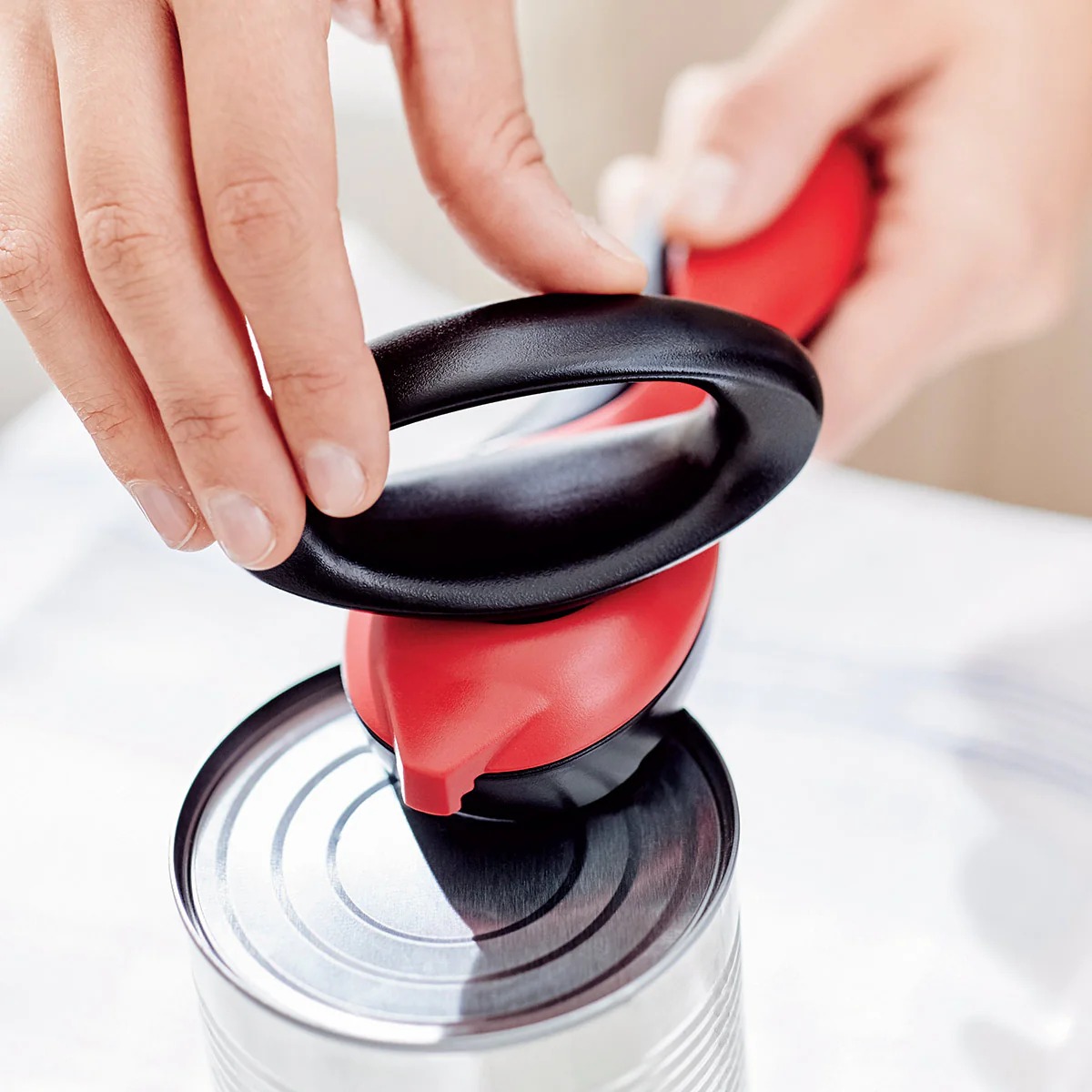
Manual Can Openers
These are the most common and often the most reliable. Their simplicity means fewer parts to break, and the stainless steel construction enhances their robustness.
- Traditional Top-Cut Can Openers: This is likely what comes to mind when you picture a can opener. It works by clamping a cutting wheel onto the top rim of the can and a serrated wheel gripping the side, then you turn a knob to rotate the can, cutting downwards into the lid. The downside? They often leave a sharp, jagged edge on the can lid and sometimes the can itself. Despite this, a well-made stainless steel version offers impressive cutting power and longevity.
- Smooth-Edge (Side-Cutting) Can Openers: These innovative can openers are a game-changer for safety. Instead of cutting down into the lid, they latch onto the side of the can, cutting horizontally beneath the rim. This leaves a smooth, safe edge on both the lid and the can, eliminating concerns about sharp edges. Many premium models feature robust stainless steel cutting mechanisms and comfortable grips, sometimes even including mini-pliers or magnets to lift the lid without touching it. This design also prevents the cutting blade from touching the food, enhancing hygiene.
Electric Can Openers
For those who prefer a hands-free experience or struggle with grip strength, electric can openers offer a convenient alternative. Many quality electric models incorporate stainless steel accents or cutting components.
- Freestanding Electric Can Openers: These sit on your countertop, often featuring a lever that clamps the can into place. They automatically cut around the lid, stopping when finished. They’re excellent for heavy-duty use or for those with limited hand mobility. Look for models with stainless steel blades for optimal performance and durability.
- Handheld Battery-Operated Can Openers: These compact devices are placed on top of the can, and with the press of a button, they autonomously rotate around the lid. They’re great for portability and easy storage, often designed with a smooth-edge cut. While the body might be plastic, the cutting components should ideally be stainless steel for best results.
Using Your Stainless Steel Can Opener Like a Pro: A Step-by-Step Guide
Regardless of the type, mastering your stainless steel can opener is all about proper positioning and technique to ensure a clean, safe cut every time.
- Position the Can: Place the can on a flat, stable surface. This provides leverage and prevents the can from slipping.
- Open the Handles (Manual): If you have a traditional manual opener, open the handles wide. For a smooth-edge opener, the mechanism might simply latch on without needing to “open” handles in the same way.
- Align the Cutting Mechanism:
- Traditional: Position the cutting wheel (the sharp disc) on the inside edge of the can’s rim, with the serrated feed wheel on the outside. Squeeze the handles firmly to pierce the lid.
- Smooth-Edge: Latch the opener directly onto the side of the can, just below the rim. The mechanism should grip securely. Some models may “lock” into place automatically.
- Start Turning the Knob: With the can opener securely in place, slowly turn the knob clockwise. You should feel the cutting mechanism engaging and beginning to travel around the can. Maintain steady pressure.
- Complete the Cut: Continue turning until you’ve made a full revolution around the can. You might feel a slight release or hear a change in sound when the lid is fully separated.
- Remove the Lid Safely:
- Traditional: Carefully release the handles and lift the opener off. Use caution, as the lid and can edge will be sharp. A magnet on some openers can help lift the lid.
- Smooth-Edge: Turn the knob counter-clockwise slightly to release the grip. Many smooth-edge openers come with a small plier-like grip or magnet to safely lift the now-smooth lid.
- Clean Immediately: After each use, clean your stainless steel can opener to remove any food residue. This prevents rust (even on stainless steel, prolonged exposure to certain acids can cause staining) and ensures hygiene.
“A reliable can opener isn’t just a convenience; it’s a foundation of kitchen safety and efficiency,” advises Chef Antoine Dubois, a culinary expert with decades of experience in professional kitchens. “Choosing a stainless steel model ensures you have a tool that can stand the test of time and countless meals.”
Choosing Your Perfect Match: What to Look for in a Stainless Steel Can Opener
With so many options available, how do you pick the stainless steel can opener that’s right for you?
- Ergonomics and Comfort: Look for soft-grip handles (silicone or rubber) and an oversized, easy-to-turn knob, especially if you have arthritis or limited hand strength. A comfortable grip makes a huge difference.
- Blade Quality and Cutting Mechanism: Ensure the cutting blade is indeed made of high-quality stainless steel for long-lasting sharpness and rust resistance. Consider whether you prefer a traditional top-cut or a safer smooth-edge mechanism.
- Safety Features: Prioritize models that minimize sharp edges. Smooth-edge cutting, integrated lid lifters (magnets or pliers), and secure locking mechanisms are excellent safety enhancements.
- Additional Functions: Many stainless steel can openers offer bonus features like a built-in bottle opener or jar opener. If these are useful to you, they can add great value.
- Ease of Cleaning and Maintenance: A model that’s easy to wipe clean or is dishwasher-safe will save you time and effort.
- Brand Reputation and Reviews: While brand names aren’t everything, established brands like OXO, Kuhn Rikon, and Cuisinart often have a reputation for quality and stand behind their stainless steel products. Reading recent reviews can also provide valuable insights into real-world performance.
Keeping It Pristine: Care and Maintenance Tips
Even a robust stainless steel can opener benefits from proper care to maintain its shine and functionality.
- Immediate Cleaning: Rinse your can opener under warm water immediately after use to prevent food from drying on the cutting mechanism.
- Hand Washing vs. Dishwasher: While many stainless steel models are dishwasher safe, hand washing with soap and water is often recommended for longevity, especially for models with mixed materials (e.g., plastic handles).
- Thorough Drying: This is crucial! Although stainless steel is rust-resistant, leaving it wet can lead to water spots or, in rare cases, superficial rust (flash rust) if exposed to certain minerals or prolonged dampness. Dry it thoroughly with a clean towel after washing.
- Proper Storage: Store your can opener in a dry drawer or hang it on a utensil rack. Avoid leaving it in a damp sink or near corrosive substances.
Troubleshooting Common Can Opener Woes
Even the best stainless steel can opener can sometimes encounter a hitch. Here are a few common problems and how to tackle them:
- Can Opener Not Cutting or Slipping:
- Solution: Ensure the cutting wheel is properly aligned with the can’s rim and that you’re applying enough pressure (for manual openers). The blades might also be dull; consider replacing an old opener.
- Lid Falling Into the Can:
- Solution: This is a common issue with traditional top-cut openers. If you repeatedly face this, upgrading to a smooth-edge stainless steel can opener with a lid-lifting mechanism is highly recommended for safety and convenience.
- Stiff Turning Mechanism:
- Solution: A build-up of dried food or grease can cause stiffness. Thoroughly clean the gears and cutting wheel. A tiny drop of food-safe mineral oil might help if it’s mechanical resistance (ensure it’s safe for kitchen tools). If it’s a new opener, it might just need breaking in.
Leading the Pack: Top Stainless Steel Can Opener Brands and Innovations
When discussing quality stainless steel can openers, certain brands consistently earn accolades for their reliable and innovative designs. OXO Good Grips is frequently praised for its ergonomic, user-friendly designs that often incorporate comfortable soft-grip handles and sharp stainless steel cutting wheels, making them a top choice for ease of use. Kuhn Rikon is another standout, particularly for its advanced smooth-edge safety can openers, which prioritize safety by eliminating sharp lid edges and often featuring robust stainless steel components. Cuisinart offers durable electric can openers that frequently feature sleek stainless steel finishes, providing both functionality and a sophisticated look on the countertop. Hamilton Beach is known for making convenient smooth-touch electric openers, ideal for effortlessly opening cans without leaving jagged edges. These brands exemplify the commitment to crafting quality kitchen tools that enhance the cooking experience.
Frequently Asked Questions About Stainless Steel Can Openers
Are all stainless steel can openers rust-proof?
While highly rust-resistant, no stainless steel is truly 100% “rust-proof” under all conditions. However, high-quality stainless steel can openers are designed to resist rust effectively with proper care, such as drying them thoroughly after washing and avoiding prolonged exposure to harsh chemicals or standing water.
What’s the best type for weak hands or arthritis?
For individuals with weak hands or arthritis, a smooth-edge manual stainless steel can opener with large, ergonomic soft-grip handles and an oversized, easy-to-turn knob is often highly recommended. Electric can openers, particularly freestanding models, also provide an excellent hands-free alternative.
How often should I replace my can opener?
A well-maintained stainless steel can opener can last for many years, even a decade or more. However, you should consider replacing it if the blade becomes dull, the gears no longer engage properly, it starts slipping frequently, or if you notice rust that cannot be removed.
Can I sharpen a can opener blade?
Sharpening a can opener blade is generally not recommended or easily achievable at home. The intricate design and small size of the cutting wheel make it difficult to sharpen effectively without damaging the mechanism. It’s usually more practical to replace the can opener if the blade dulls significantly.
Are smooth-edge can openers really safer?
Yes, absolutely. Smooth-edge (or side-cutting) stainless steel can openers are designed to cut below the can’s rim, leaving a smooth edge on both the lid and the can. This significantly reduces the risk of cuts from sharp edges, making them a much safer option, especially in households with children.
How do I clean sticky residue from my stainless steel can opener?
For sticky residue, a good soak in warm, soapy water for 10-15 minutes can often help loosen it. Then, use a small brush (like an old toothbrush) to gently scrub the cutting wheels and gears. Make sure to rinse thoroughly and dry completely afterward.
The Perfect Opening Act for Your Kitchen
The humble can opener may not be the most glamorous item in your kitchen, but its importance is undeniable. By choosing a high-quality stainless steel can opener, you’re investing in a tool that offers superior durability, hygiene, and a sleek aesthetic. Whether you prefer the straightforward reliability of a manual model or the effortless convenience of an electric one, the strength and rust-resistance of stainless steel ensure that your culinary adventures will always have a smooth, safe beginning. So, upgrade your kitchen essential today and experience the difference a truly perfect opening act can make!