You know that feeling when you reach for a kitchen tool, and it just works? No fuss, no struggle, just pure, simple efficiency. For generations of home cooks, that tool has been the Swing-A-Way can opener. More than just a utilitarian gadget, this iconic device has earned its place in kitchens worldwide, becoming synonymous with reliability and ease. But what makes this can opener such a timeless favorite? Let’s dive into the fascinating world of the Swing-A-Way and discover why it continues to be a go-to for opening cans, one smooth turn at a time.
A Journey Through Time: The History of the Swing-A-Way Can Opener
The story of the Swing-A-Way can opener is a classic American tale of ingenuity and household necessity. It all began in 1938 when Idus Rhodes introduced his innovative design. The very first model was a clever wall-mounted can opener, designed with a bracket that allowed it to literally “swing away” from the counter when not in use, freeing up valuable kitchen space. This clever feature gave the brand its memorable name.
From Wall-Mounted Innovation to Handheld Hero
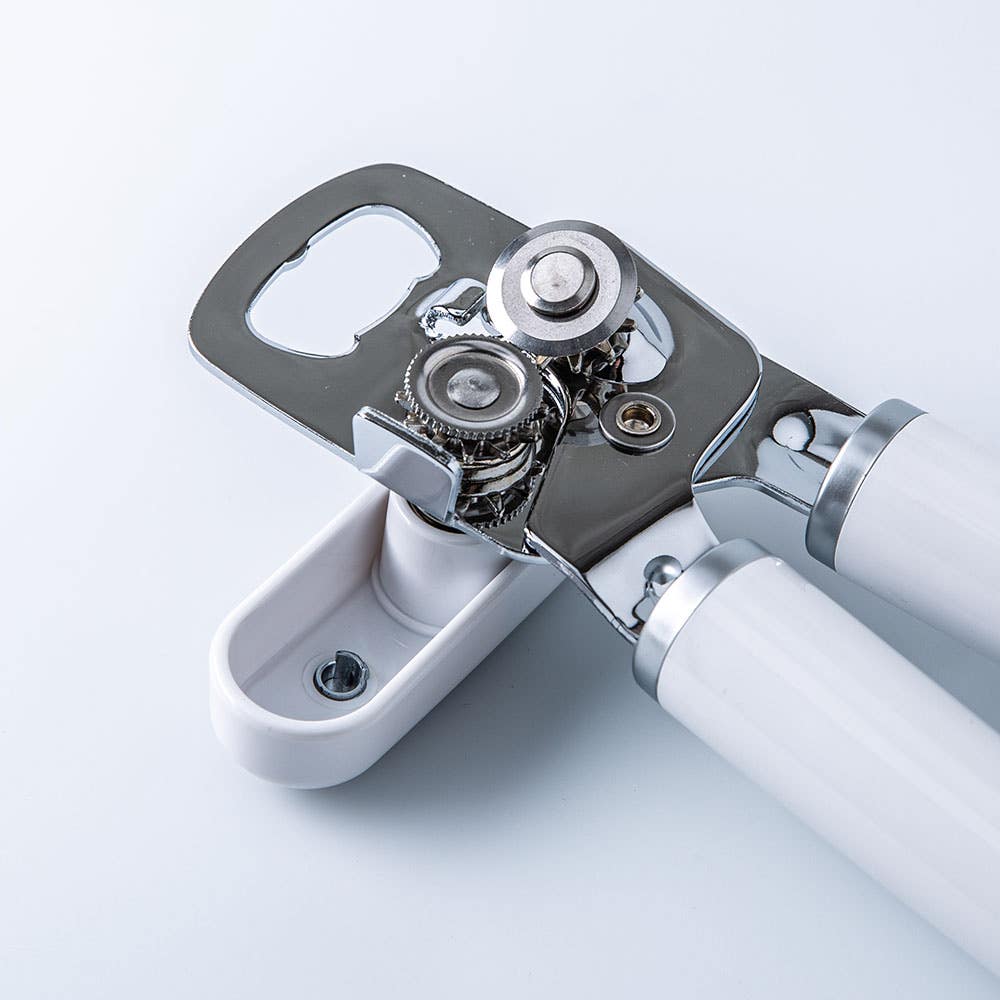
Rhodes didn’t stop there. In 1945, the company revolutionized can opening by pioneering the gear-driven cutting wheel. This innovation meant smoother, more consistent cuts, taking the struggle out of opening even the toughest cans. Then, in the 1950s, Swing-A-Way introduced its legendary Model 407, the first heavy-duty handheld can opener, which quickly became a household staple. This model was so successful that over 200 million units were sold by 2005. It even made it to space, chosen by NASA for the Skylab mission, a testament to its robust design and reliability.
The “Made in USA” Legacy and the Modern Shift
For decades, Swing-A-Way was a proud, family-owned American company, a symbol of quality craftsmanship from St. Louis, Missouri. However, like many manufacturers, the brand saw a significant shift in its journey. After being sold in 2005, production eventually moved overseas to China in 2009. This move, unfortunately, sparked a debate among loyal users about a perceived decline in quality compared to the vintage “Made in USA” models.
Many enthusiasts and kitchen experts note that if you’re looking for the original, robust quality of the classic Swing-A-Way, you might now be looking for an “EZ-DUZ-IT” can opener. The John J. Steuby Company, also based in Missouri, acquired the original St. Louis manufacturing equipment and now produces can openers under the EZ-DUZ-IT brand, often heralded as the true successor to the classic American-made Swing-A-Way quality.
Understanding Your trusty Swing-A-Way: Features and Types
The enduring appeal of the Swing-A-Way can opener lies in its straightforward, effective design. While many variations exist, a few core features define its functionality and user experience.
The Core Mechanics: Gear-Driven Precision
At the heart of every Swing-A-Way can opener is its gear-driven cutting wheel and skip-proof feed. This mechanism allows the cutting wheel to glide smoothly around the rim of the can, creating a clean cut without slipping or snagging. This precision is what makes opening cans feel effortless, a key factor in its popularity. “The gear-driven design was a game-changer,” says Dr. Thomas Lee, a kitchen appliance historian. “It transformed the frustrating task of opening cans into a smooth, almost intuitive process that even children could manage safely.”
Handheld vs. Wall-Mounted: Which One Is For You?
While the original was wall-mounted, today’s market primarily features handheld Swing-A-Way models.
- Handheld Can Openers: These are the most common, offering portability and ease of storage in a drawer. Modern handheld versions often boast ergonomic designs with soft cushion grips and extra-long crank handles to reduce hand fatigue, making them ideal for individuals with conditions like arthritis or carpal tunnel syndrome.
- Wall-Mounted Can Openers: Less common now, but still available, these offer a permanent fixture that saves drawer space and can be particularly useful in smaller kitchens or for those who prefer a dedicated, easy-access tool. They often feature a magnetic lid lifter and multiple locking positions.
Comfort and Convenience: Ergonomics and Added Features
Modern Swing-A-Way can openers prioritize user comfort. Look for models with:
- Ergonomic Handles: Designed to fit comfortably in various hand sizes, minimizing strain.
- Soft Cushion Grips: These provide a secure, non-slip hold and enhance comfort during prolonged use.
- Integrated Bottle Openers: Many models include a built-in bottle opener, adding versatility to this essential kitchen tool.
- Magnetic Lid Lifters: This handy feature automatically grabs the lid after it’s cut, preventing it from falling into your food or causing cuts when disposed of.
Mastering the Art of Can Opening with Your Swing-A-Way
Using a Swing-A-Way can opener might seem intuitive, but a few pointers can make the experience even smoother and safer.
Step-by-Step Guide to Effortless Opening
- Position the Opener: Place the cutting wheel on the top edge of the can, just inside the rim. Ensure the gripping mechanism securely clamps onto the can’s lip. Some models have a small lever to help secure the grip.
- Engage the Cutter: Turn the crank handle clockwise. You should feel the cutting wheel pierce the can lid.
- Rotate and Cut: Continue turning the crank, allowing the gears to advance the opener around the can’s rim. Maintain a steady, firm grip.
- Complete the Circle: Keep turning until you’ve gone all the way around the can. You’ll often feel a slight release or change in resistance when the cut is complete.
- Remove the Lid: If your Swing-A-Way has a magnetic lid lifter, it will hold the lid for easy, safe removal and disposal. If not, carefully lift the lid using the opener or a fork to avoid sharp edges.
Expert Tips for a Smooth Experience
- Choose the Right Spot: Always start your cut on a flat edge, if possible, rather than a curved one, for better initial grip.
- Keep it Steady: A firm, consistent grip on the handles and a smooth rotation of the crank will prevent the opener from slipping or “skipping”.
- For Tough Lids: If the opener struggles, reposition it slightly and try again. Sometimes, a very minor adjustment makes all the difference.
Keeping Your Swing-A-Way in Top Shape: Care and Maintenance
Even the most durable tools need a little love to last. Proper care for your Swing-A-Way can opener can significantly extend its lifespan and ensure it performs flawlessly for years.
The Golden Rule: Clean and Dry
The primary enemy of a can opener is rust. The cutting wheel and gears, being made of high-carbon steel, are particularly susceptible.
- Hand Wash is Best: After each use, hand wash your can opener with warm water and a mild detergent.
- Dry Immediately: This is crucial! After washing, rinse it thoroughly and then immediately dry it completely with a towel. Air drying can lead to water spots and eventual rust.
- Avoid the Dishwasher: The harsh detergents and prolonged exposure to moisture in a dishwasher are notorious for causing rust on metal kitchen tools, especially can openers. Skip the dishwasher if you want your Swing-A-Way to last.
Rust Prevention and Blade Longevity
Even with diligent drying, rust can sometimes appear.
- Occasional Lubrication: For optimal performance and rust prevention, periodically apply a few drops of food-grade mineral oil to the gears and pivot points. This not only protects against rust but also keeps the mechanism turning smoothly.
- Blade Sharpening: Over many years of use, the cutting wheel might dull. While not an everyday task, some users choose to carefully sharpen the blade using a fine-grit sharpening stone or a belt sander (if experienced) to restore its cutting edge.
When to Repair or Replace: Breathing New Life into an Old Friend
The robust construction of many Swing-A-Way can openers means they can often be repaired rather than simply replaced.
- Repair Kits: For older, “Made in USA” models, specialized repair kits are available that include replacement cutting wheels, gears, and other small parts. This allows you to restore your vintage can opener to its former glory.
- Troubleshooting Common Issues:
- Stiff Turning: Often resolved with thorough cleaning and lubrication of the gears and pivot points.
- Skipping or Incomplete Cuts: Could indicate a dull blade, worn gears, or improper positioning. Cleaning, sharpening (if possible), or replacing parts might be necessary.
- Consider a New One: If your can opener is consistently struggling, rusting beyond repair, or if replacement parts aren’t available, it might be time for a new one. Modern Swing-A-Way models still offer good performance, and the EZ-DUZ-IT brand is an excellent alternative for those seeking the original American-made quality.
Swing-A-Way in the Modern Kitchen: What to Look For Today
In a world filled with electric gadgets, the manual Swing-A-Way can opener remains a steadfast choice for many. But with changing manufacturing and new competitors, how do you navigate the market today?
The Quality Debate: Vintage vs. New
As we’ve touched upon, the shift in manufacturing location for Swing-A-Way has led to discussions about a change in product quality. Many long-time users praise the incredible durability of older, vintage Swing-A-Way openers stamped “Made in USA,” some lasting 40 years or more without significant issues. Newer models, while still functional, may not always match this legendary longevity. When buying a new Swing-A-Way, look for durable steel construction and read recent reviews for insights into current production quality.
Beyond Swing-A-Way: The EZ-DUZ-IT Connection
For those who deeply value the “Made in USA” aspect and the robust build of the original Swing-A-Way, the EZ-DUZ-IT can opener is often recommended as the spiritual successor. Made with the original machinery in St. Louis, Missouri, EZ-DUZ-IT manual can openers are celebrated for their heavy-duty construction, smooth gear-driven operation, and ergonomic design, making them a favorite for individuals with limited hand strength or arthritis.
Choosing the Right Can Opener for Your Needs
When selecting any can opener, including a Swing-A-Way, consider these factors:
- Manual vs. Electric: Manual openers, like the Swing-A-Way, are portable, reliable in power outages, and generally more compact. Electric openers offer hands-free operation but require power and take up counter space.
- Material and Construction: Look for all-steel construction, especially in the cutting mechanism, for durability. High-carbon steel is excellent for the blade.
- Ergonomics: For comfortable use, especially if you have hand pain, prioritize models with long handles and soft, ergonomic grips.
- Added Features: A magnetic lid lifter and an integrated bottle opener are convenient extras that enhance usability.
- Reviews: Always check recent customer reviews to get an accurate picture of current product performance and durability.
Frequently Asked Questions About Swing-A-Way Can Openers
What makes the Swing-A-Way can opener so popular?
The Swing-A-Way became popular for its innovative gear-driven cutting mechanism, durable construction, and ease of use, making it a reliable tool that stood the test of time. Its simple, effective design has made it a kitchen staple for generations.
Are Swing-A-Way can openers still made in the USA?
No, the production of Swing-A-Way can openers moved from St. Louis, Missouri, to China in 2009. However, the original St. Louis machinery is now used by the John J. Steuby Company to produce the EZ-DUZ-IT brand, which many consider the true heir to the original American-made quality.
How do I prevent my can opener from rusting?
To prevent rust, always hand wash your Swing-A-Way can opener with warm, soapy water immediately after use, rinse it thoroughly, and then dry it completely with a towel. Avoid putting it in the dishwasher, as this is a common cause of rust.
Can I sharpen the blade on my Swing-A-Way can opener?
While not typically a user-maintenance task, the high-carbon steel cutting wheel can be sharpened. Some experienced users carefully sharpen it with a fine-grit sharpening stone or a belt sander after disassembling the unit. However, proceed with caution or consider a professional.
Is the Swing-A-Way a good can opener for people with arthritis?
Many newer Swing-A-Way models feature ergonomic designs with extra-long crank handles and soft cushion grips, which can significantly reduce strain and make them comfortable for individuals with arthritis or limited hand strength. The EZ-DUZ-IT brand is also highly recommended for its ease of use in such cases.
A Timeless Tool for Every Home
From its humble beginnings as a wall-mounted convenience to its evolution into the beloved handheld staple, the Swing-A-Way can opener has consistently proven its worth in the kitchen. It’s a testament to the idea that sometimes, the simplest tools are truly the best. Whether you cherish a vintage “Made in USA” model, rely on a modern version, or opt for its spiritual successor, the EZ-DUZ-IT, the core promise remains: a dependable, easy way to open cans. This kitchen classic continues to be a symbol of reliability, proving that good design and sturdy construction never go out of style.