Stepping into the kitchen, the last thing anyone wants is a struggle with a stubborn can. Whether you’re whipping up a quick weeknight dinner or preparing a feast, an uncooperative can can quickly dampen your culinary spirits. That’s where The Best Electric Can Opener comes in, transforming a tedious chore into a smooth, effortless experience. Forget cramped hands and jagged edges; these modern marvels are designed to make your life easier, safer, and more efficient in the kitchen.
A Glimpse into the Past: The Evolution of the Can Opener (and the Rise of Electric)
It might surprise you, but cans existed for nearly 50 years before a dedicated opener was invented! Early cans, patented in 1810, were so thick they often required a hammer and chisel to open. The first true can opener, patented by Ezra Warner in 1858, resembled a bayonet and was primarily for military use. It wasn’t until William Lyman’s rotary design in 1870, later improved in 1925 by the Star Can Opener Company with a serrated wheel, that a more familiar manual model emerged.
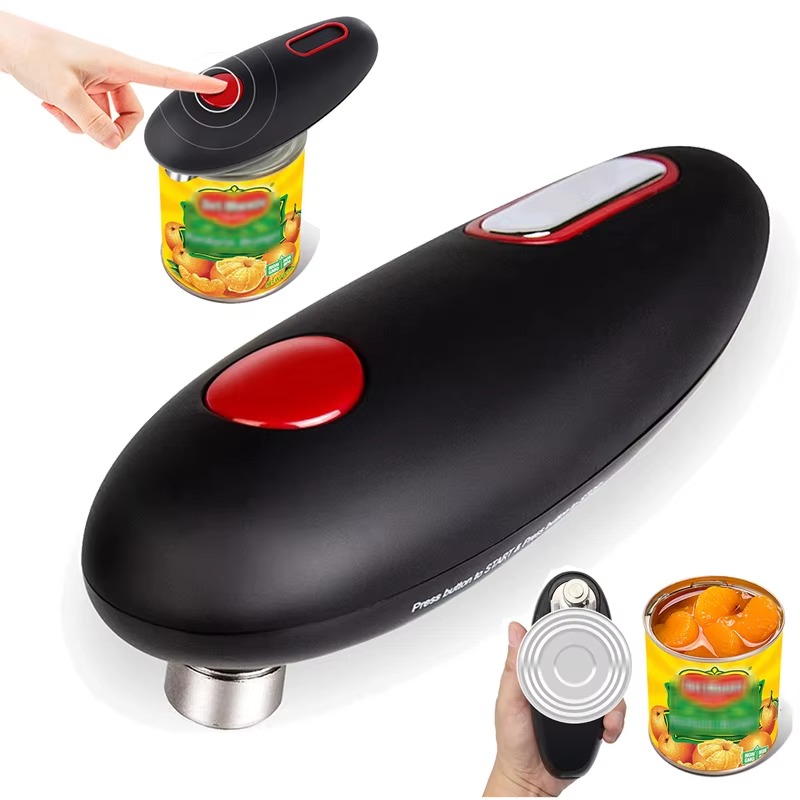
Then came the electric revolution. The very first electric can opener was patented in 1931, although it didn’t gain widespread traction, partly because many homes still lacked electricity. The real breakthrough arrived in 1956 when Walter Hess Bodle and his daughter Elizabeth introduced a successful freestanding electric can opener, often combined with a knife sharpener. This invention changed the game, offering unparalleled convenience and paving the way for the sophisticated models we cherish today.
Why Go Electric? The Unbeatable Advantages
Choosing an electric can opener isn’t just about embracing technology; it’s about upgrading your kitchen experience with tangible benefits:
- Effortless Operation: This is the big one! If you struggle with grip strength, arthritis, or simply prefer a hands-free approach, electric can openers are a lifesaver. With just a button press, they glide through cans, doing all the hard work for you.
- Enhanced Safety: Many modern electric can openers feature a “side-cut” mechanism. This means they cut along the side of the can’s rim, leaving behind a smooth, dull edge on both the lid and the can itself. Say goodbye to sharp, hazardous edges that manual openers often create.
- Speed and Consistency: Electric models can open cans quickly and reliably, providing a clean, consistent cut every single time. No more wrestling with tough lids or dealing with half-opened cans.
- Integrated Features: Many upright models come with bonus features like built-in knife sharpeners or bottle openers, adding multi-functionality to your countertop.
Demystifying the Options: Types of Electric Can Openers
When searching for the best electric can opener, you’ll primarily encounter two main types, each with its own charm:
1. Countertop/Upright Electric Can Openers
These are the traditional, sturdy machines you typically place on your kitchen counter.
- Pros: Generally more powerful and stable, especially for larger cans. Many offer hands-free operation once the can is engaged. Often include additional features like knife sharpeners.
- Cons: They take up dedicated counter space and are less portable.
- Ideal for: Busy kitchens, those who open many cans, individuals with severe hand mobility issues, and anyone who prefers a permanent, reliable station.
2. Handheld/Cordless Electric Can Openers
Compact and portable, these battery-operated devices attach directly to the can.
- Pros: Excellent for small kitchens or limited counter space as they store easily in a drawer. Great for outdoor use (picnics, camping) if battery-powered. Can be surprisingly effective on very large or unusually shaped cans that might challenge upright models.
- Cons: Require batteries (some are rechargeable, others use disposable AAs), may be slower or louder than countertop models. You often need to hold them or ensure proper placement.
- Ideal for: Compact kitchens, occasional use, travelers, and those who prioritize portability.
What Makes “The Best Electric Can Opener”? Key Features to Look For
To truly find the best electric can opener for your needs, consider these crucial features:
Cutting Mechanism: Smooth Edge vs. Traditional
- Side-Cut (Smooth Touch): This is the gold standard. Side-cut openers sever the seal just below the rim, leaving a smooth, lid that can often be replaced for temporary storage. This significantly reduces the risk of cuts.
- Top-Cut (Traditional): While still effective, these cut into the top of the lid, often leaving a sharp edge on both the lid and the can. If safety is a primary concern, lean towards side-cut models.
Safety Features
- Magnetic Lid Holder: A simple yet ingenious feature, a built-in magnet grips the lid once it’s cut, preventing it from falling into your food or onto the floor.
- Automatic Shut-Off: For hands-free models, this ensures the opener stops as soon as the can is fully opened, preventing over-cutting and potential metal shavings.
Power and Performance
Look for a robust motor that can handle cans of various sizes—from tiny tuna cans to large institutional ones—and even dented cans. A good electric can opener should perform consistently without stalling or struggling.
Design and Ergonomics
- Ease of Use: Simple, intuitive controls are key. One-touch operation is a common and desirable feature.
- Stability: Especially for countertop models, a wide, sturdy base prevents tipping during operation.
- Compactness: If counter space is a premium, consider slimmer upright models or handheld versions.
- Durability: High-quality materials like stainless steel or heavy-duty plastic ensure your appliance lasts for years.
Power Source
- Corded: Offers consistent power without worrying about batteries, but limits placement to near an outlet.
- Battery-Operated: Provides flexibility and portability. Rechargeable options are more eco-friendly and cost-effective in the long run than disposable AA batteries.
Top Contenders in the Electric Can Opener Arena
While “Perfect Can Opener” focuses on educating you, it’s worth noting some frequently lauded brands and models that consistently impress reviewers and users alike when it comes to being the best electric can opener:
- Hamilton Beach Smooth Touch: Often cited as an overall top performer, especially praised for its side-cutting mechanism that leaves smooth edges and its ease of use for those with limited grip strength.
- Cuisinart Deluxe Electric Can Opener: Known for its sleek design and effective performance, capable of tackling taller cans with ease.
- Kitchen Mama Auto 2.0 Electric Can Opener: A popular handheld, battery-operated choice that offers portability and a smooth-edge cut.
- BLACK+DECKER EasyCut Extra-Tall Can Opener: Valued for its ability to handle extra-tall cans and sometimes includes a handy multi-tool for other kitchen tasks.
- Handy Can Opener Automatic One Touch: Often highlighted as a great budget-friendly, battery-operated option with one-touch operation and auto-stop.
Expert Advice: Keeping Your Electric Can Opener in Top Shape
To ensure your electric can opener remains one of your most reliable kitchen companions, proper use and maintenance are crucial.
How to Use Your Electric Can Opener Safely and Effectively
“Always ensure the can is properly seated and the cutting mechanism is engaged before starting,” advises Chef Anya Petrova, a culinary technology expert. “With side-cut models, you might not see the blade, but you’ll hear and feel it working correctly. And for models without auto shut-off, stay attentive to avoid over-cutting and potential metal slivers.”
- Placement: For countertop models, ensure it’s on a stable, flat surface. For handhelds, position it firmly on top of the can.
- Engagement: Most electric can openers have a lever or a mechanism to properly grip the can. Follow your model’s instructions to ensure the cutting wheel is correctly positioned.
- Operation: Typically, a single button or lever press starts the cutting process. Allow the opener to complete its cycle. If it’s a side-cut model, the lid might simply lift off, or a magnet will hold it.
- Handling Lids: Always use the magnetic lid holder or a paper towel to remove lids to protect your fingers, even with smooth-edge cuts.
Cleaning and Maintenance
Keeping your electric can opener clean prolongs its life and ensures hygienic operation.
- Detachable Parts: Many models feature removable cutting levers or blades that can be easily detached and washed by hand with warm, soapy water. Always ensure they are completely dry before reattaching.
- Wipe Down: For the main unit, simply wipe it down with a damp cloth. Avoid submerging electrical components in water.
- Regular Checks: Periodically inspect the cutting wheel for any food residue buildup or dullness.
- Storage: Store your can opener in a clean, dry place. If it’s a handheld model, removing batteries during long periods of non-use can prevent corrosion.
Troubleshooting Common Issues
Even the best electric can opener might encounter a hiccup occasionally:
- Opener Not Cutting: Check if the can is properly aligned and engaged. Ensure the cutting wheel isn’t jammed with dried food. For battery-operated models, check battery life.
- Rough Edges Left Behind: If it’s a side-cut model, this is rare, but ensure it completed its cycle and wasn’t manually stopped too early or allowed to go around multiple times without auto-stop. If it’s a top-cut model, some jaggedness is inherent.
- Can Slipping: Make sure the can opener’s base is stable. For handhelds, ensure a firm grip on the can and the opener. Dented cans can sometimes pose a challenge.
Choosing Your Perfect Match: Tips for Buying
Finding the best electric can opener for your unique kitchen setup and lifestyle is all about matching features to your needs:
- Assess Your Needs: How often do you open cans? Do you have hand mobility challenges? Is counter space limited? These questions will guide you toward an upright or handheld model, and inform feature priorities.
- Consider Your Budget: Electric can openers range in price, with basic models offering reliable performance and premium ones boasting extra features and aesthetics.
- Read Reviews (Widely): While we provide general guidance, checking recent reviews from reputable sources and consumer feedback can offer insights into real-world performance and longevity.
Frequently Asked Questions (FAQ)
Q: Are electric can openers better than manual ones?
A: For many, yes! Electric can openers offer significant advantages in ease of use, speed, and safety, especially with their smooth-edge cutting capabilities and hands-free operation. They are a game-changer for those with limited hand strength or anyone who opens a lot of cans.
Q: What is a side-cut can opener?
A: A side-cut electric can opener cuts along the side of the can’s rim, just below the beaded edge. This innovative mechanism leaves a smooth, dull edge on both the lid and the can, making it much safer to handle compared to traditional top-cut openers that can leave sharp, jagged edges.
Q: Can electric can openers open all can sizes?
A: Most electric can openers are designed to handle a wide range of standard can sizes. Tall models are particularly good for larger cans, while some handheld versions excel with very large or unusually shaped cans. However, extremely oversized or severely dented cans might sometimes present a challenge for certain models.
Q: How do I clean my electric can opener?
A: Cleaning is typically straightforward. For many models, the cutting lever or blade assembly is removable and can be washed with warm, soapy water. The main unit should be wiped down with a damp cloth, ensuring no electrical components get wet. Always refer to your specific model’s manual for detailed cleaning instructions.
Q: Are electric can openers safe for children to use?
A: While side-cut electric can openers significantly reduce the risk of sharp edges, kitchen appliances should always be used under adult supervision, especially by children. It’s important to teach children proper safety protocols around any kitchen tool.
Conclusion
From tackling tough tomato paste to opening everyday beans, the best electric can opener stands ready to revolutionize your kitchen. It’s more than just a gadget; it’s an investment in convenience, safety, and efficiency, freeing you from the frustrations of manual can opening. By understanding the types available and prioritizing key features like side-cutting, magnetic lid holders, and ease of cleaning, you can confidently choose the perfect model that will serve your household faithfully for years to come. Step into a world where opening cans is no longer a chore, but a seamless part of your culinary journey.