Let’s face it, wrestling with a stubborn can is nobody’s idea of a good time. A reliable can opener isn’t just a kitchen gadget; it’s a sanity saver, a meal prep champion, and for many, an absolute necessity. But with so many options out there, from the classic hand-crank to sleek electric models, you might find yourself wondering: “What Is The Best Can Opener for me?” Don’t worry, we’re here to cut through the confusion and help you find your kitchen’s new best friend.
A Quick Look Back: The Humble History of Can Openers
Before we dive into the present, it’s fun to consider how far we’ve come. Canned food has been around since the early 19th century, but believe it or not, the can opener wasn’t invented until much later! Early can-eaters often resorted to hammers, chisels, or even bayonets to get to their provisions. The first official can opener appeared in 1855, but it was a clumsy, claw-like device. It wasn’t until 1870 that William Lyman’s wheel-based can opener, similar to what many manual models still use today, became a common sight. Electric can openers entered the scene in the 1930s, promising hands-free convenience, and more recently, side-cut or smooth-edge openers revolutionized safety by eliminating sharp edges.
Decoding the Options: Types of Can Openers Explained
When you’re searching for the best can opener, understanding the main types is your first step. Each comes with its own set of advantages and considerations.
Manual Can Openers
These are the workhorses of the kitchen, tried and true.
- Traditional Top-Cut: The most common type, it grips the rim and cuts down into the lid. They’re affordable, portable, and don’t need power. However, they can leave sharp edges on the lid and the can itself, and require some hand strength.
- Side-Cut (Smooth-Edge) Can Openers: A modern marvel, these cut along the side seam of the can, just below the rim. The result? A smooth, re-sealable lid and no sharp edges, making them much safer. They usually require less effort but can take a little practice to align correctly.
Electric Can Openers
For those who prioritize convenience or have limited hand strength, electric models are a godsend.
- Countertop Electric Can Openers: These robust units typically feature a strong motor that pierces and rotates the can with minimal effort from you. They’re great for frequent use, ideal for seniors or those with arthritis, and usually offer consistent, clean cuts. The downside? They take up counter space and need an electrical outlet.
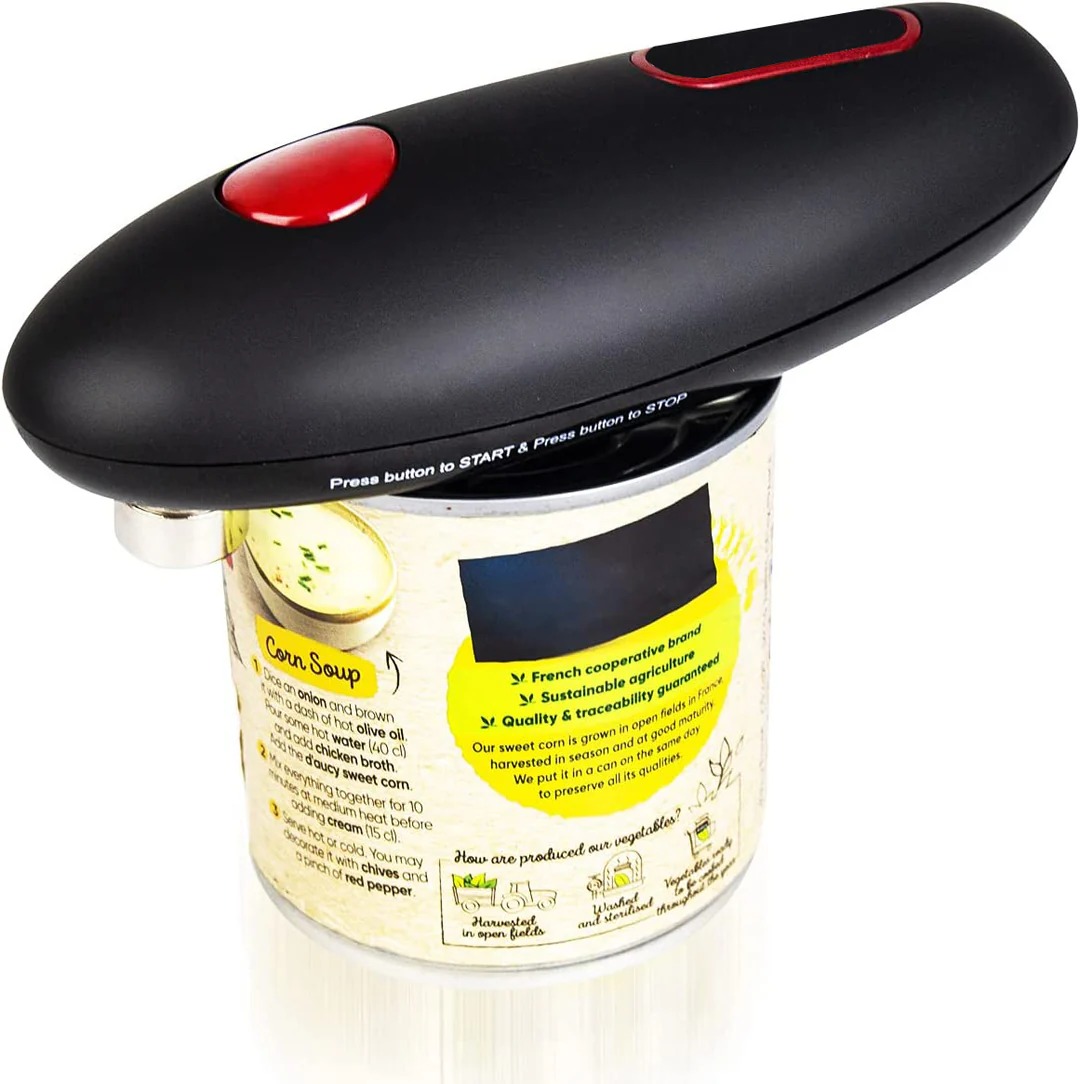
- Handheld Electric Can Openers: A more compact version, these battery-operated devices sit on top of the can and rotate themselves. They offer the hands-free benefit without occupying counter space, making them a good compromise between manual and countertop models.
Beyond the Basics: What Makes a Can Opener “The Best”?
Choosing the best can opener isn’t just about type; it’s about the features that make it a pleasure to use.
- Blade Quality: A sharp, durable blade made of stainless steel is non-negotiable for clean, consistent cuts. Look for ones that resist rust and dulling.
- Ergonomics and Grip: Comfort is key. Handles should be easy to hold, even when wet, and provide a secure, non-slip grip. Larger, cushioned handles are often preferred for those with weaker hands or arthritis.
- Ease of Use: Can you attach it to the can easily? Does it turn smoothly without excessive force? For electric models, is the lever simple to operate?
- Safety Features: This is particularly important. Smooth-edge openers are inherently safer, but any can opener should operate without leaving dangerous jagged edges. Magnetic lid lifters, often found on electric models, are a handy bonus for safely removing cut lids.
- Durability and Construction: A good can opener should feel solid and well-built, not flimsy. High-quality plastics, robust gears, and stainless steel components promise a longer lifespan.
- Cleaning: Can openers can get messy. Look for models that are easy to wipe clean, and if possible, avoid designs with too many nooks and crannies where food can get trapped.
Choosing Your Perfect Can Opener: A Buyer’s Guide
Consider these questions to narrow down your options:
- How often do you open cans? If it’s a daily occurrence, invest in a high-quality, durable model. For occasional use, a simple manual might suffice.
- What’s your hand strength like? If you struggle with grip or have conditions like arthritis, an electric can opener or a smooth-edge manual with large, ergonomic handles will be your best bet.
- Do you have counter space? Countertop electric models are convenient but require a dedicated spot. Handheld electric or manual openers are great for smaller kitchens.
- Is safety a top priority? If so, a side-cut/smooth-edge can opener is an absolute must to prevent nasty cuts.
- What’s your budget? Manual can openers are generally the most affordable, while electric models range from mid-tier to premium.
Mastering the Can Opener: Usage Tips for Smooth Sailing
Even the best can opener needs a little help from its user.
- Manual Can Opener:
- Place the can opener on the can so the cutting wheel is on the inside edge of the can’s rim, and the gear (or gripper) is on the outside.
- Squeeze the handles firmly until the wheel pierces the lid.
- Rotate the handle clockwise, keeping a steady grip. You should feel the blade cutting smoothly.
- Once you’ve made a full circle, release the handles and carefully lift the lid. If it’s a smooth-edge model, the lid will often sit neatly back on top.
- Electric Can Opener:
- Position the can under the cutting mechanism, ensuring the can’s rim is properly aligned with the cutter and gear.
- Engage the lever or button, which will pierce the can and start the rotation.
- Hold the can gently, or let the opener do its work if it’s hands-free.
- Once the cut is complete, the machine will usually stop. Use the magnetic lid lifter (if available) to remove the lid safely.
Keeping It Shipshape: Maintenance and Cleaning for Longevity
A well-maintained can opener lasts longer and works better.
- Manual Can Openers: After each use, wipe the blade and gear with a damp cloth to remove any food residue. For a deeper clean, wash with warm, soapy water, rinse thoroughly, and dry immediately to prevent rust. Avoid dishwashers if the manufacturer advises against it, especially for models with wooden handles.
- Electric Can Openers: Unplug the unit before cleaning. Wipe down the exterior with a damp cloth. For the cutting mechanism, check if it’s removable for washing. If not, use a small brush or a damp cloth to clean around the blade and magnet. Ensure all parts are completely dry before storage or next use.
When Things Go Wrong: Common Can Opener Troubles and Fixes
Even the best can openers can encounter hiccups. Here are some common issues and how to troubleshoot them:
- Can Opener Jams/Stops Cutting:
- Manual: The blade might be dull or food particles are gumming up the gears. Clean the gears thoroughly. If the blade is dull, it might be time for a replacement.
- Electric: Check the power connection or battery. The can might not be properly aligned.
- Leaves Jagged Edges (Manual Top-Cut): This is often inherent to the design. Ensure the blade is sharp and you’re making a clean, continuous cut. Consider upgrading to a smooth-edge model for safety.
- Lid Falls into Can (Manual): This happens when the cut is complete and the lid is no longer attached. Use a fork or spoon to retrieve it, or upgrade to a model with a magnetic lid lifter.
- Can Opener Slips: Ensure the can opener is firmly gripping the can’s rim. Dirty or greasy hands can cause slippage on manual openers; ensure your hands are dry.
Comparing Top Can Opener Styles: Finding Your Ideal Match
While specific brands and models change frequently, understanding the general strengths of popular types helps in your search for the best can opener.
| Feature / Type | Traditional Manual (Top-Cut) | Smooth-Edge Manual (Side-Cut) | Countertop Electric | Handheld Electric |
|---|---|---|---|---|
| Ease of Use | Moderate (requires hand strength) | Easy (requires alignment, less strength) | Very Easy (hands-free) | Easy (less strength, portable) |
| Safety | Leaves very sharp edges | Leaves smooth, safe edges | Generally safe, no sharp edges on lid | Generally safe, no sharp edges on lid |
| Portability | Excellent | Excellent | None (stationary) | Excellent (battery-powered) |
| Maintenance | Hand wash, dry thoroughly | Hand wash, dry thoroughly | Wipe clean, some removable parts are washable | Wipe clean, battery replacement |
| Cost | Very Low | Low to Mid-range | Mid to High-range | Mid-range |
| Best For | Occasional use, budget-conscious, camping | Everyday use, safety-conscious, families | Frequent use, limited hand strength, busy kitchens | Occasional to regular use, small kitchens, portability |
As Chef Anya Petrova, a culinary instructor with two decades of kitchen experience, often says, “A reliable can opener isn’t just a tool; it’s a trusty kitchen companion that saves you time and frustration, especially during a busy meal prep.”
Frequently Asked Questions About Can Openers
Q: Are smooth-edge can openers really safer?
A: Absolutely! Smooth-edge can openers cut the can just below the rim, leaving a smooth edge on both the lid and the can. This significantly reduces the risk of cuts compared to traditional top-cut openers, which leave very sharp, jagged edges.
Q: Can electric can openers open all sizes of cans?
A: Most electric can openers are designed to handle standard-sized cans. However, very small or unusually shaped cans might be difficult for some models to grip properly. Always check the product specifications if you frequently use non-standard can sizes.
Q: Why does my manual can opener leave metal shavings?
A: Metal shavings can occur if the blade is dull, misaligned, or if excessive force is used. Ensure the can opener is clean, the blade is sharp, and you’re not twisting or forcing it aggressively. If the problem persists, it might be time for a new one.
Q: How often should I replace my can opener?
A: The lifespan varies greatly depending on usage and quality. A good quality manual can opener can last for many years if properly maintained. Electric can openers might last 5-10 years, but components can wear out. Replace your can opener if it consistently struggles to open cans, leaves rough edges, or feels loose and unreliable.
Q: Are there can openers specifically for people with arthritis?
A: Yes! Electric can openers, both countertop and handheld, are excellent choices for individuals with arthritis or limited hand strength as they require minimal effort. Additionally, some manual smooth-edge can openers feature extra-large, ergonomic handles designed for a more comfortable and secure grip.
The Final Cut: Your Best Can Opener Awaits
Ultimately, the best can opener is the one that fits seamlessly into your kitchen routine, handles your needs effortlessly, and feels good in your hand. Whether you prefer the nostalgic reliability of a manual model, the modern safety of a smooth-edge design, or the hands-free convenience of an electric opener, a quality tool makes all the difference. Don’t settle for a can opener that frustrates you; invest in one that makes opening cans a breeze. Happy cooking!